Oncology and Chemotherapy
Chemotherapy is a method of cancer treatment in which medications are used to stop the growth of tumor cells, destroy them, or reduce their number. It may be used as the main treatment or combined with surgery, radiation therapy, and other therapeutic approaches.
Chemotherapy may be indicated for various oncological diseases depending on the type of tumor, the stage of the disease, the extent of its spread, and the patient’s overall condition. The treatment regimen, duration, and choice of drugs are determined individually by the medical team.

 The Chemotherapy Department at Nairi Medical Center is staffed by a highly experienced multidisciplinary team that treats each patient’s care as both a professional commitment and a personal responsibility. The entire diagnostic and treatment process is thoroughly discussed and planned by the team, ensuring a patient-centered and consistent approach at every stage.
An individualized treatment plan is developed for each patient in accordance with international clinical guidelines, taking into account the tumor type, disease stage, overall health condition, and biological characteristics.
The department provides all major modern forms of medical therapy for malignant diseases, including:
- Chemotherapy
- Immunotherapy
- Targeted therapy
- Hormone therapy
Special emphasis is placed on the quality of medications - only original drugs from leading European manufacturers are used, meeting international safety and efficacy standards.
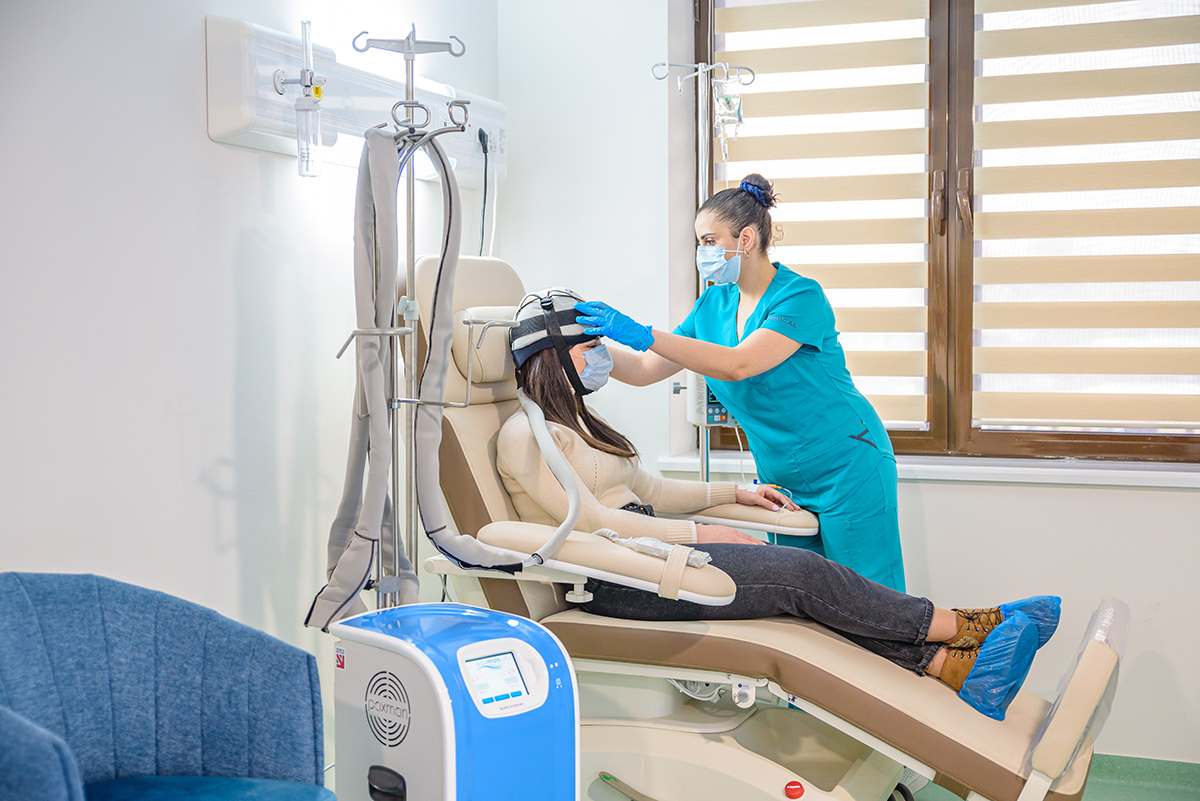
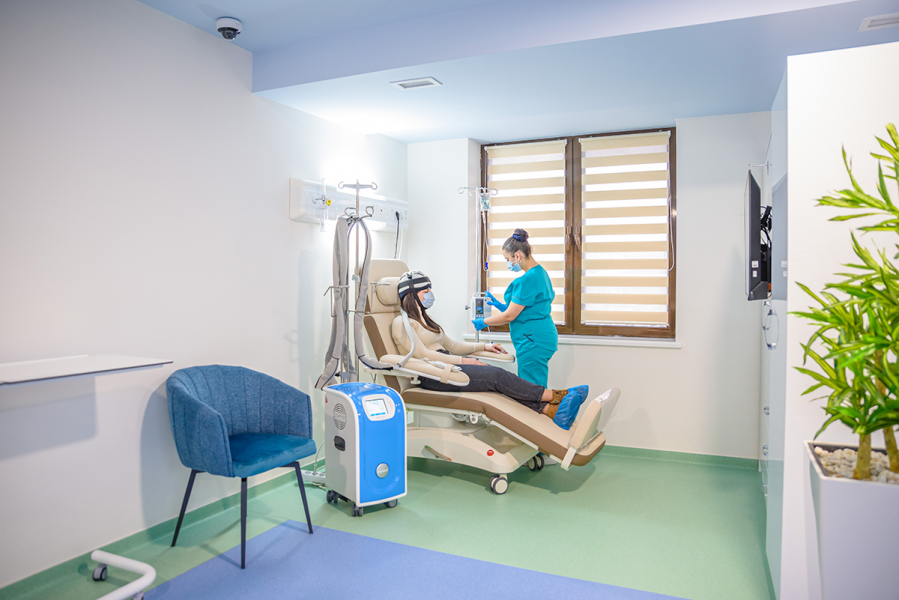
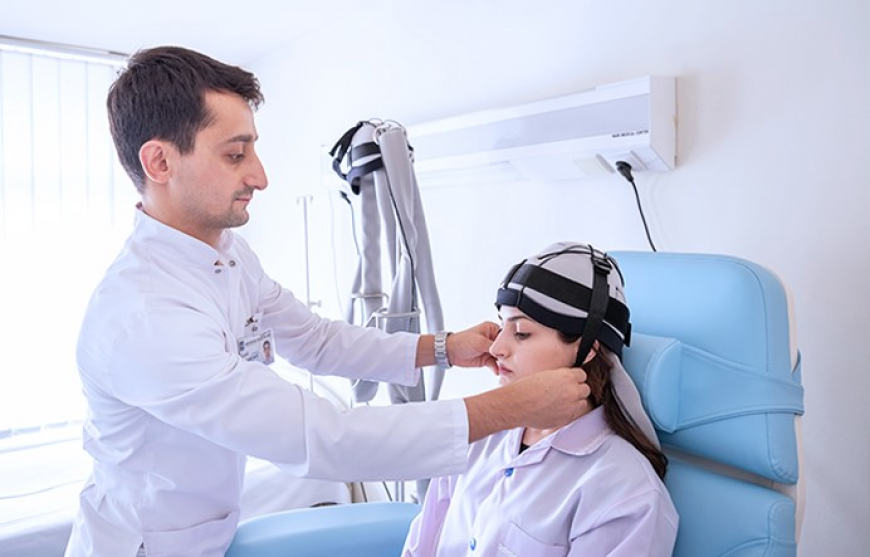
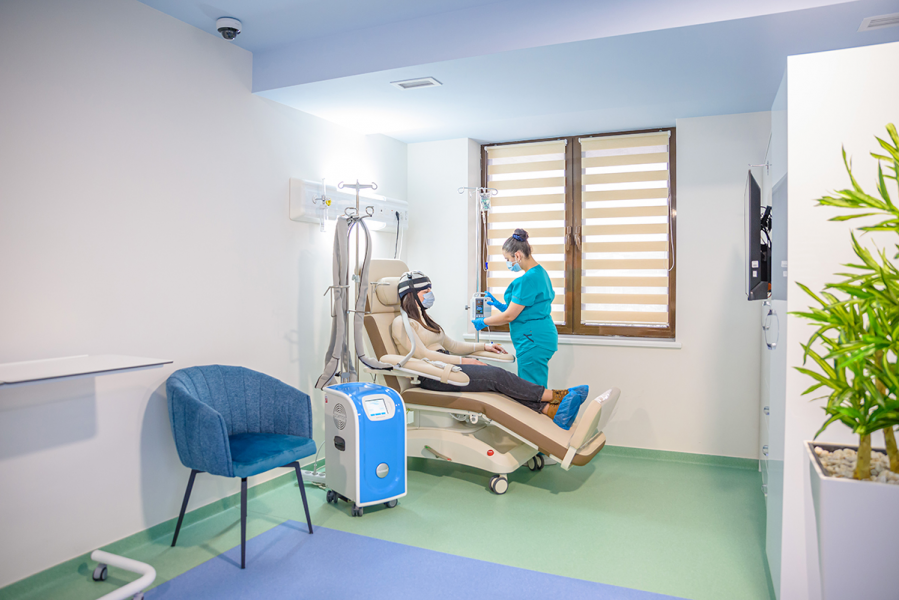
The department is also equipped with the advanced PAXMAN scalp cooling system from the United Kingdom, which significantly reduces hair loss during chemotherapy.
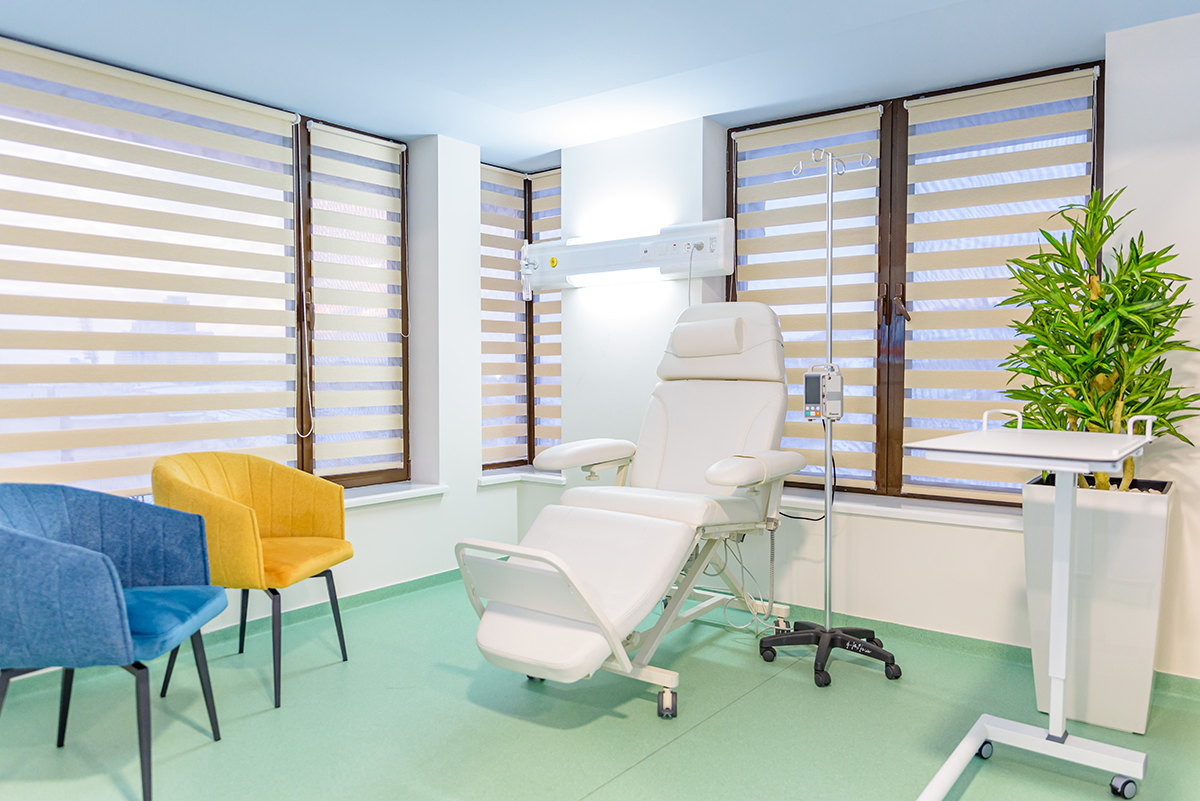
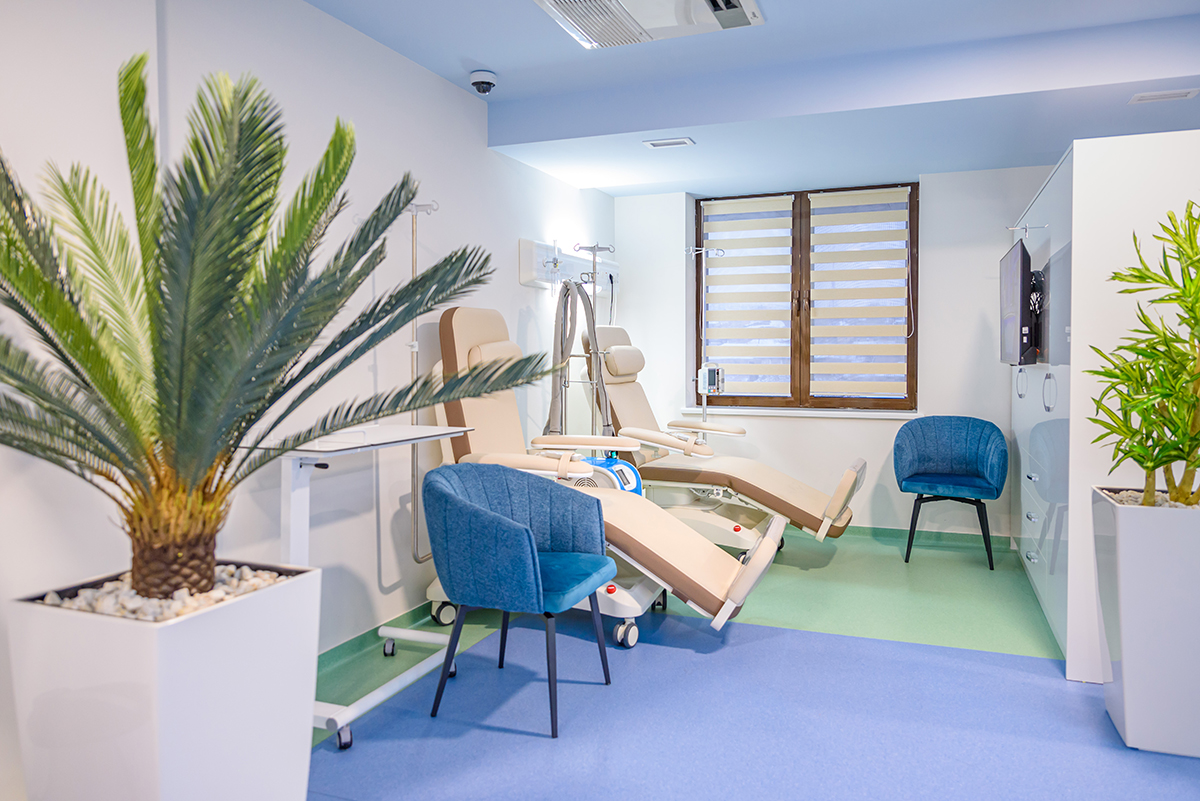
Our infrastructure features modern medical equipment, spacious and comfortable patient rooms, and a compassionate, patient-centered environment designed to ensure safe and attentive care.
List of diseases
Malignant tumor of the breast
Malignant tumors of uterus
Malignant tumor of the ovaries
Malignant tumors of intestine
Malignant tumor of the stomach
Malignant tumors of pancreas
Liver cancer
Malignant tumor of the bile ducts
Lung cancer
Malignant tumor of the bladder
Malignant tumors of kidney
Malignant tumor of the prostate
Malignant tumors of testicles
Lymphomas (tumors of the lymph nodes)
Malignant tumors of the bones and soft tissues
Malignant tumors of head and neck
Malignant tumors of the nervous system
Malignant tumor of the thyroid gland
Malignant tumor of the adrenal glands
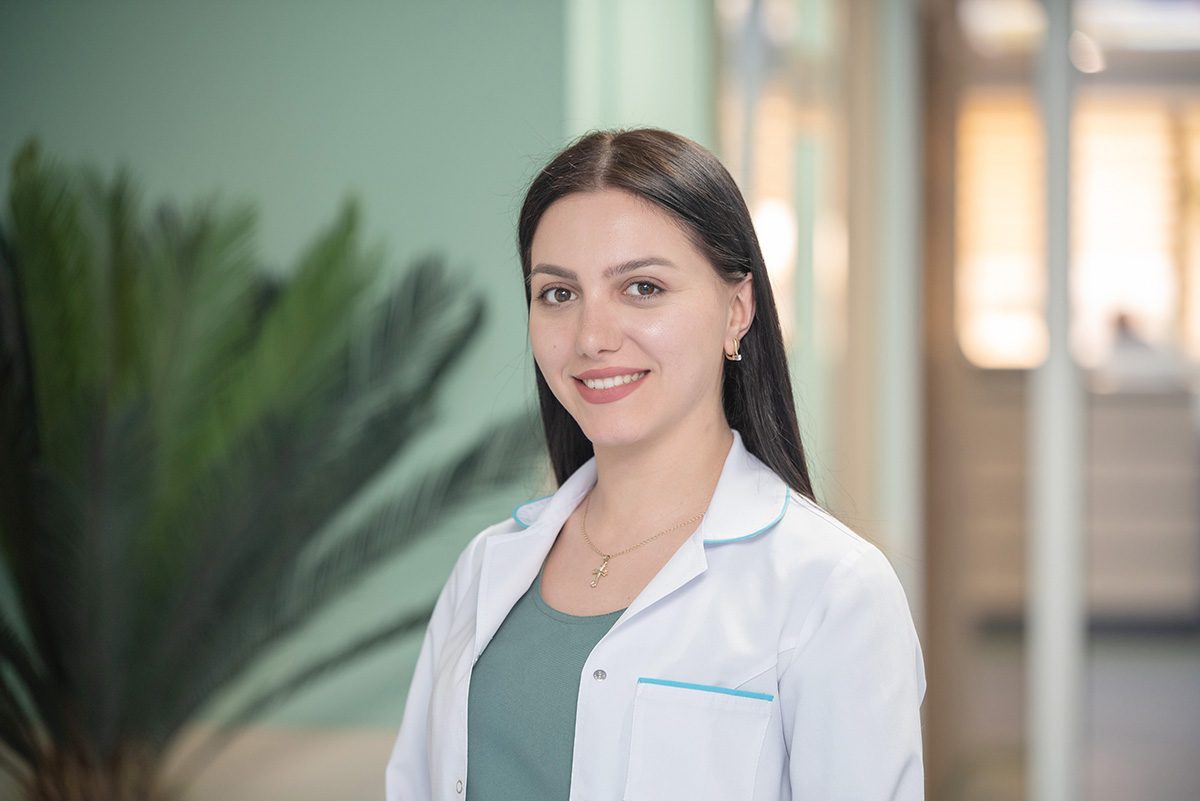
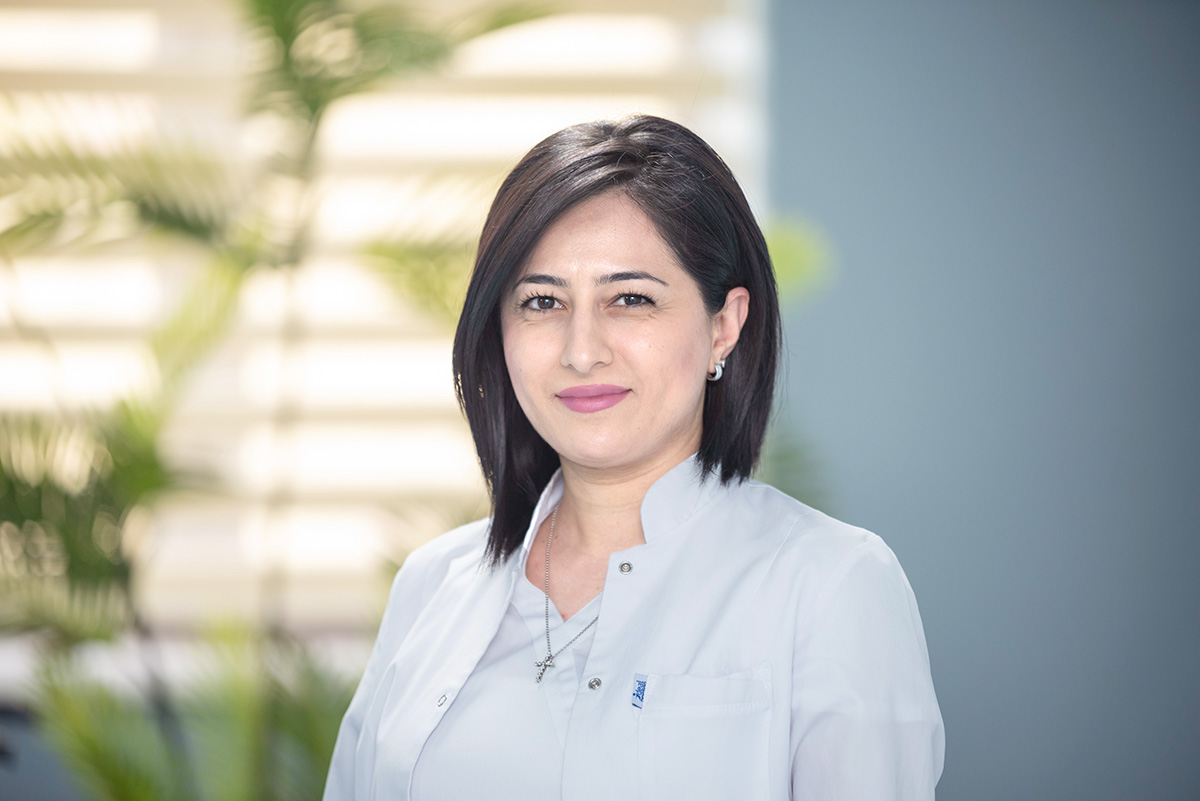
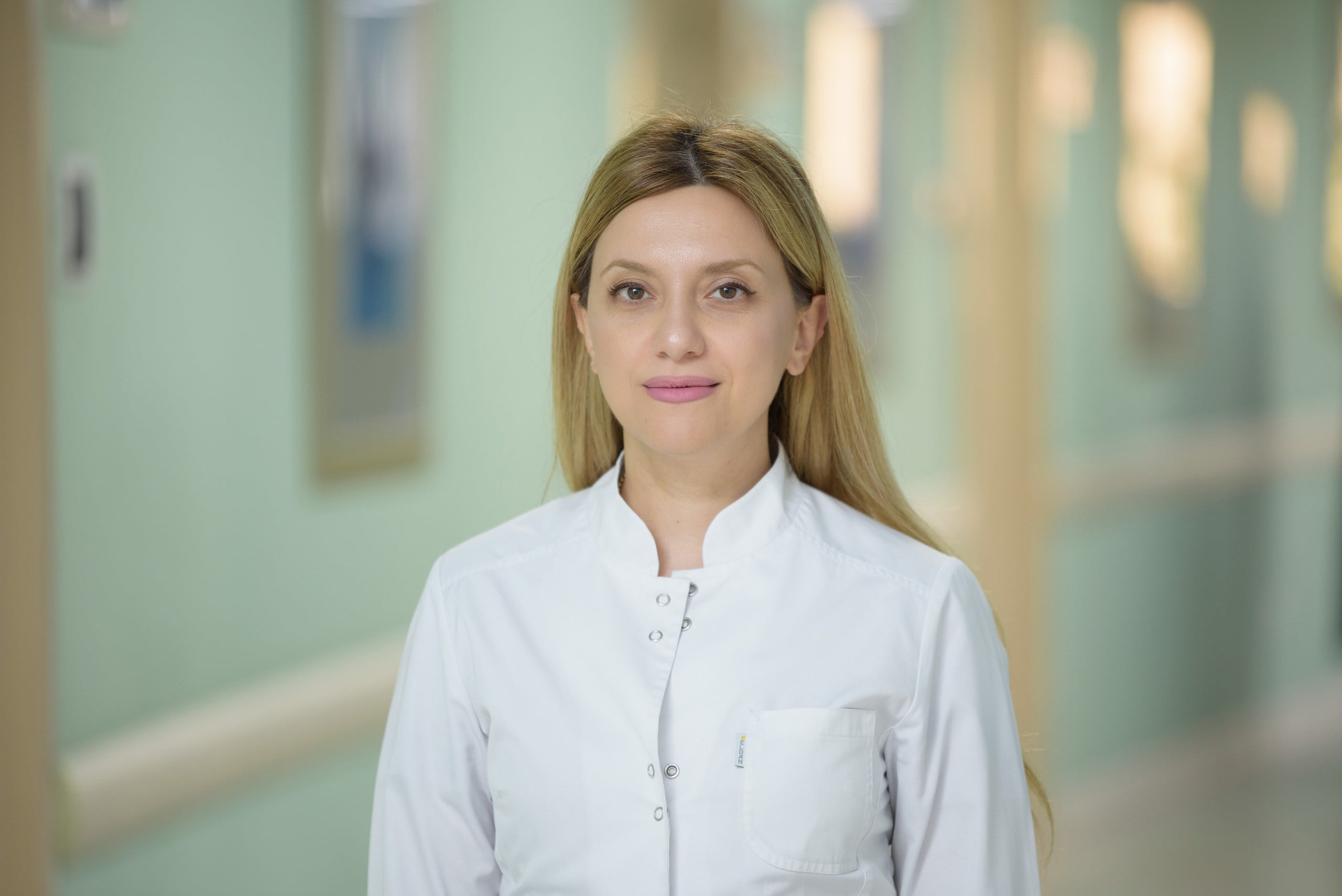
Doctors
News
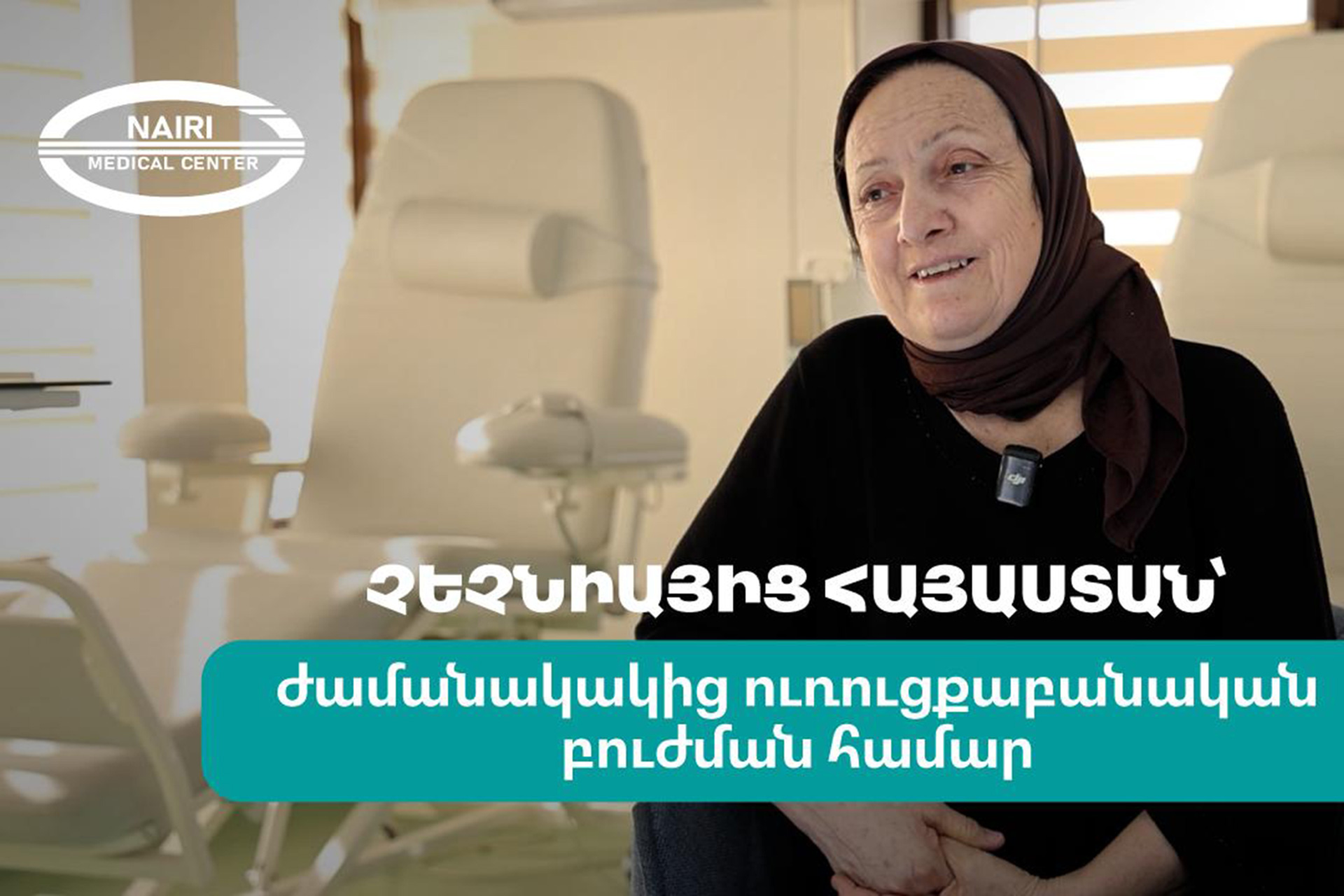
From Chechnya to Armenia for Modern Cancer Treatment
PAXMAN technology for preventing hair loss during chemotherapy


Oncology is the most rapidly growing field of the medicine: Levon Badalyan
Patients' care is provided by the principle of "The Patients are first"․ From a medical point of view the loss of time is minimized․․․






Frequently Asked Questions
The duration of a chemotherapy course and the number of sessions depend on the type of tumor, the stage of the disease, the treatment regimen used, and the patient’s overall condition. In some cases, treatment consists of several courses, while in others it follows a longer program. The required number of sessions is determined individually based on the response to treatment and the planned therapeutic strategy. The minimum duration of a chemotherapy course is usually about 3 months.
The duration of a single chemotherapy session can vary significantly depending on the drugs used, the method of administration, and the treatment plan. Some sessions are relatively short, while others may last several hours. On average, one chemotherapy session lasts about 2 to 4 hours.
How a person feels after chemotherapy varies from one patient to another and depends both on the characteristics of the body and on the type and dosage of the drugs included in the treatment regimen. Common side effects include weakness, mild nausea, loss of appetite, constipation, and temporary hair loss.
The effectiveness of chemotherapy depends on the type of tumor, its stage, extent of spread, and the tumor’s response to treatment. In some cases, it may lead to complete eradication of the disease, but in many cases it serves as a method of temporary control or suppression and is complemented by other approaches such as surgery or radiation therapy. In some situations, it is used to temporarily control the disease, limit its spread, or relieve symptoms. The expected treatment outcome is always assessed individually.
Temporary hair loss is one of the common but not inevitable side effects of chemotherapy. It does not occur with all drugs or in all patients. At Nairi Medical Center, the British PAXMAN scalp cooling system is used, allowing many women to preserve their hair during and after chemotherapy. The special cooling cap cools the scalp and helps reduce the amount of medication reaching the hair follicles.
A decrease in white blood cell count is one of the most common effects of chemotherapy, and the method of management is determined by the physician. The main and most effective way to raise white blood cell levels is the administration of special medications such as Filgrastim or Peg-filgrastim after a chemotherapy session.
During chemotherapy, the diet should be balanced, sufficiently high in calories, and adapted to the patient’s condition. It is important to ensure adequate intake of fluids, proteins, vitamins, and micronutrients. If nausea, loss of appetite, or other digestive complaints are present, the dietary approach may be adjusted according to the advice of the physician or dietitian.
Yes, in such situations the aim of treatment may be to control disease progression, reduce tumor burden, prolong life, or relieve symptoms. The treatment plan depends on the type of tumor, the location of metastases, and the overall clinical condition.
Targeted therapy is a drug treatment method that acts on specific molecular targets in tumor cells. It differs from classical chemotherapy in its mechanism of action and is used when the tumor has certain relevant biological characteristics. Whether this type of treatment is indicated for a particular patient is determined on the basis of additional tests.
A port catheter is a special implanted catheter placed under the skin and connected to a central vein in a way that is almost invisible externally. It is used when long-term or repeated intravenous chemotherapy is planned. Its purpose is to make drug administration safer and more convenient.
Intravenous chemotherapy is administered only in hospital settings, because medical supervision is necessary during treatment and situations requiring urgent medical intervention may arise. The exception is certain tablet-based chemotherapy drugs intended for use at home.
Chemotherapy is a drug treatment that acts at the level of the whole body, whereas radiation therapy is a local treatment method in which radiation is directed at the tumor focus or a specific area. These methods differ in their mechanism of action, treatment goals, and planning principles. They are often used in combination, complementing one another.
Author:
Updated:
20 October 2025, 20:17Our certificates



List of services
- ▸ Audiology and Otoneurology
- ▸ Emergency Medical Aid
- ▸ Allergology
- ▸ Ophthalmology
- ▸ Anesthesia, Intensive Care, Resuscitation
- ▸ Gastroenterology and Endoscopy
- ▸ Gynecology and Women's Health
- ▸ Endocrinology
- ▸ Therapy
- ▸ Pulmonologist
- ▸ Pediatrics
- ▸ Dermatology
- ▸ Oncology and Chemotherapy
- ▸ Urology
- ▸ Rheumatology
- ▸ Dentistry
- ▸ Cardiology
- ▸ ENT and Audiology
- ▸ Rehabilitation medicine
- ▸ Proctology
- ▸ Pancreatitis Treatment
- ▸ Orthopedics Traumatology


