

Cardiac Holter Monitoring
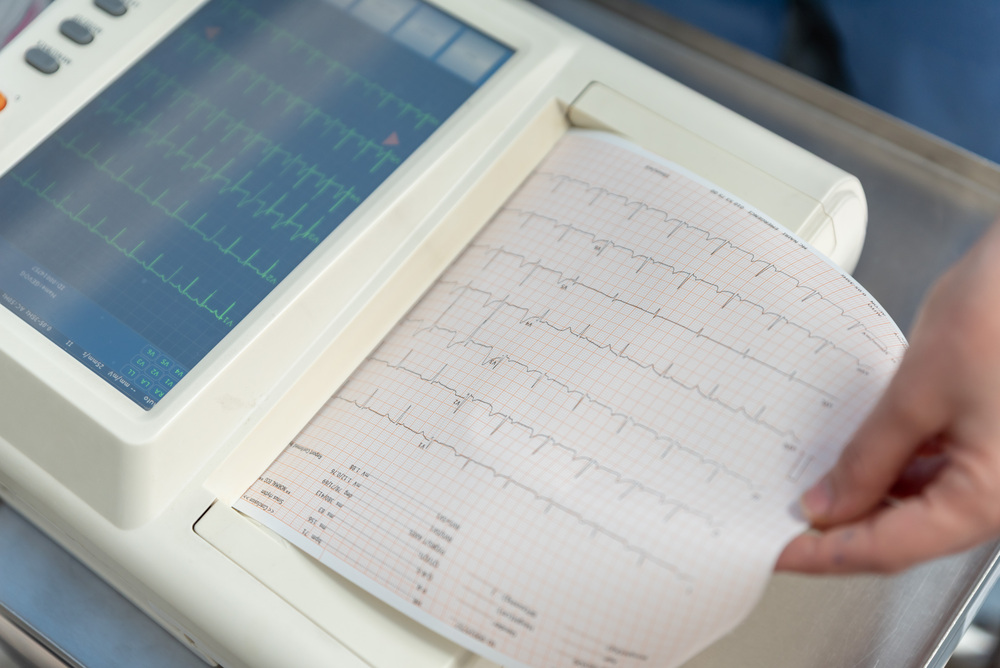
What is Holter monitoring and why is it performed?
Holter monitoring is a method of continuous recording of the heart’s electrical activity, during which heart function is monitored over 24 hours or longer. It is also known as Holter ECG and is widely used to detect heart rhythm disorders, assess cardiovascular conditions, and monitor treatment effectiveness.
Unlike a standard ECG, which records heart activity for only a few seconds, Holter monitoring evaluates heart function during everyday activities - walking, working, emotional or physical stress, and sleep. This is especially important when symptoms occur intermittently and may not be captured during a short examination.
Holter monitoring is a safe, non-invasive, and painless procedure suitable for patients of all ages.
What does Holter monitoring show?
Holter monitoring helps detect transient heart rhythm disturbances that may not be recorded on a standard ECG. It allows identification of:
- fast or slow heart rhythms (tachycardia, bradycardia),
- various types of arrhythmias,
- conduction abnormalities,
- pauses in cardiac activity or a tendency toward them,
- ischemic changes during physical or emotional stress,
- nighttime rhythm disturbances and episodes of silent ischemia.
This method is particularly valuable in cases of palpitations, dizziness, fainting, unexplained chest pain, or a sensation of irregular heartbeat.
Indications for Holter monitoring
Holter monitoring is prescribed by a cardiologist in the following situations:
- suspected cardiac arrhythmias,
- unexplained fainting episodes,
- frequent palpitations or irregular heartbeat,
- suspected coronary artery disease,
- evaluation of heart function in hypertension,
- monitoring the effectiveness of antiarrhythmic therapy,
- follow-up after cardiac surgery or interventions.
It can also be used for preventive purposes in individuals with cardiovascular risk factors.
How is Holter monitoring performed?
The procedure is simple and comfortable. Electrodes are attached to the patient’s chest and connected to a small portable device - the Holter monitor. The device is typically worn on a belt or over the shoulder. In some cases, wireless devices that adhere directly to the chest may be used.
During the monitoring period, the patient continues normal daily activities - walking, working, resting, and sleeping. This ensures accurate real-life data collection. Patients are usually advised to keep a diary of activities, symptoms, and emotional states.
Monitoring typically lasts 24 hours but may be extended if necessary.
Analysis and interpretation of results
After completion, the device is removed and the data are processed using specialized software. A cardiologist then analyzes the results.
The analysis includes evaluation of heart rhythm throughout the day, responses to physical and emotional stress, nighttime data, and correlation between symptoms and recorded changes.
The results help refine the diagnosis, assess treatment effectiveness, and adjust therapy if needed.
Advantages of Holter monitoring
The key advantage of Holter monitoring is continuous long-term observation of heart activity, allowing detection of even rare or short-term abnormalities.
Additionally, it reflects heart function under real-life conditions, significantly increasing its diagnostic value.
Where to get Holter monitoring in Yerevan
Holter monitoring in Yerevan is available at “Nairi” Medical Center, where the examination is performed using modern equipment, with an individualized approach and high professional standards, ensuring early detection of heart rhythm disorders and effective treatment.
To schedule an appointment, please call 89 00 or visit “Nairi” Medical Center at 21 Paronyan Street.
Author:

Updated:
23 March 2026, 07:31Our certificates



List of services
- ▸ Treadmill Test
- ▸ Cardiac Holter Monitoring
- ▸ ECG (Electrocardiography)
- ▸ Cystoscopy
- ▸ Colposcopy
- ▸ Surgery for intervertebral hernia removal
- ▸ Surgical Treatment of Parkinson's Disease
- ▸ Maxillofacial Surgery
- ▸ Tumors of the digestive system
- ▸ Tumors of the nervous system
- ▸ Breast tumors
- ▸ Tumors of the respiratory system
- ▸ Hysteroscopy
- ▸ Bronchoscopy
- ▸ Colonoscopy
- ▸ Գաստրոսկոպիա
- ▸ General Surgery


