

Electroneuromyography (ENMG)
Electroneuromyography is an instrumental examination used to assess the functional state of peripheral nerves and muscles. It is applied in cases of sensory disturbances, numbness, muscle weakness, pain, motor disorders, facial nerve involvement, and other neuromuscular conduction abnormalities.
ENMG may be indicated when neuropathies, tunnel syndromes, radicular syndromes, muscle disorders, traumatic nerve injuries, and a number of other conditions are suspected.

What is ENMG
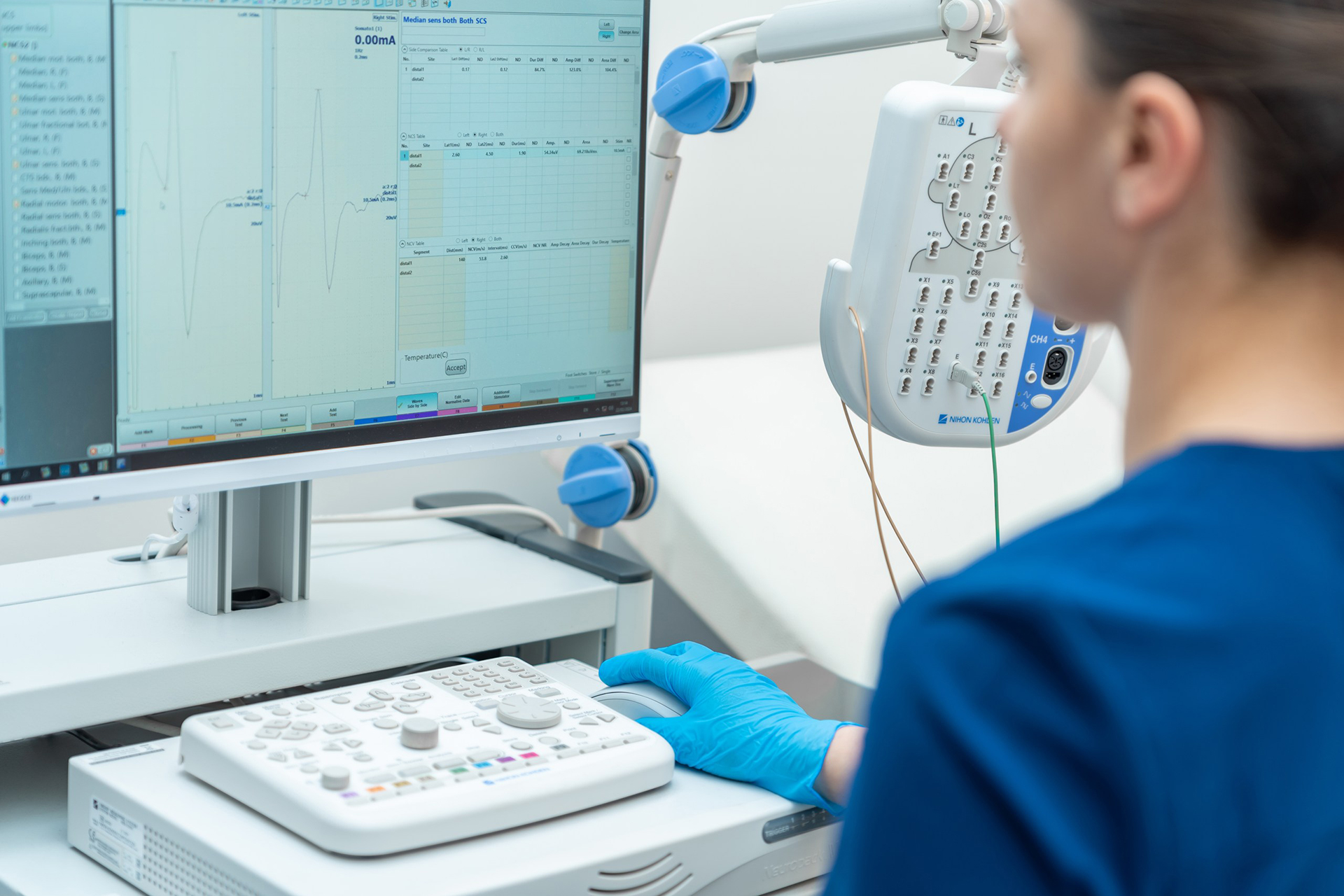
Electroneuromyography (ENMG) is a modern diagnostic method for assessing the neuromuscular system. It evaluates the functional state of peripheral nerves and muscles by recording their electrical activity.
The study is based on analyzing electrical impulses transmitted between muscles and nerves. ENMG helps detect nerve damage, muscle disorders, and neuromuscular transmission impairments. It is safe, non-invasive or minimally invasive (depending on the technique), and widely used in neurology, neurosurgery, traumatology, rheumatology, plastic and microsurgery, endocrinology, and other specialties.
Indications
ENMG may be recommended in cases of:
- numbness, weakness, or muscle pain in the upper or lower limbs
- suspected acute or chronic neurological diseases
- degenerative spinal disorders, intervertebral disc herniation
- polyneuropathies (diabetic, alcoholic, drug-induced, etc.)
- acute or chronic myopathies
- inflammatory and tractional plexus lesions
- toxic or drug-induced neuropathies
- nerve conduction disorders
- traumatic nerve injuries and monitoring of nerve recovery after trauma
ENMG is also prescribed to determine the causes of muscle weakness or pain and to differentiate between nerve and muscle pathologies.
ENMG of the Upper Limbs
Used to assess the condition of the nerves and muscles of the hand, forearm, and shoulder. It allows:
- detection of tunnel neuropathies (e.g., carpal/cubital or radial tunnel syndrome)
- evaluation of brachial plexus injuries
- determination of the degree of nerve compression or damage
- monitoring recovery after surgery or trauma
ENMG of the Lower Limbs
Used to evaluate the nerves and muscles of the foot, lower leg, and thigh. It helps to:
- detect sciatic nerve injuries
- assess conduction disorders in diabetes or other metabolic diseases
- diagnose polyneuropathies and muscular dystrophies
- identify nerve lesions caused by intervertebral disc herniation
- differentiate between spinal and muscular pathologies
- monitor the recovery process after injuries
How ENMG is Performed
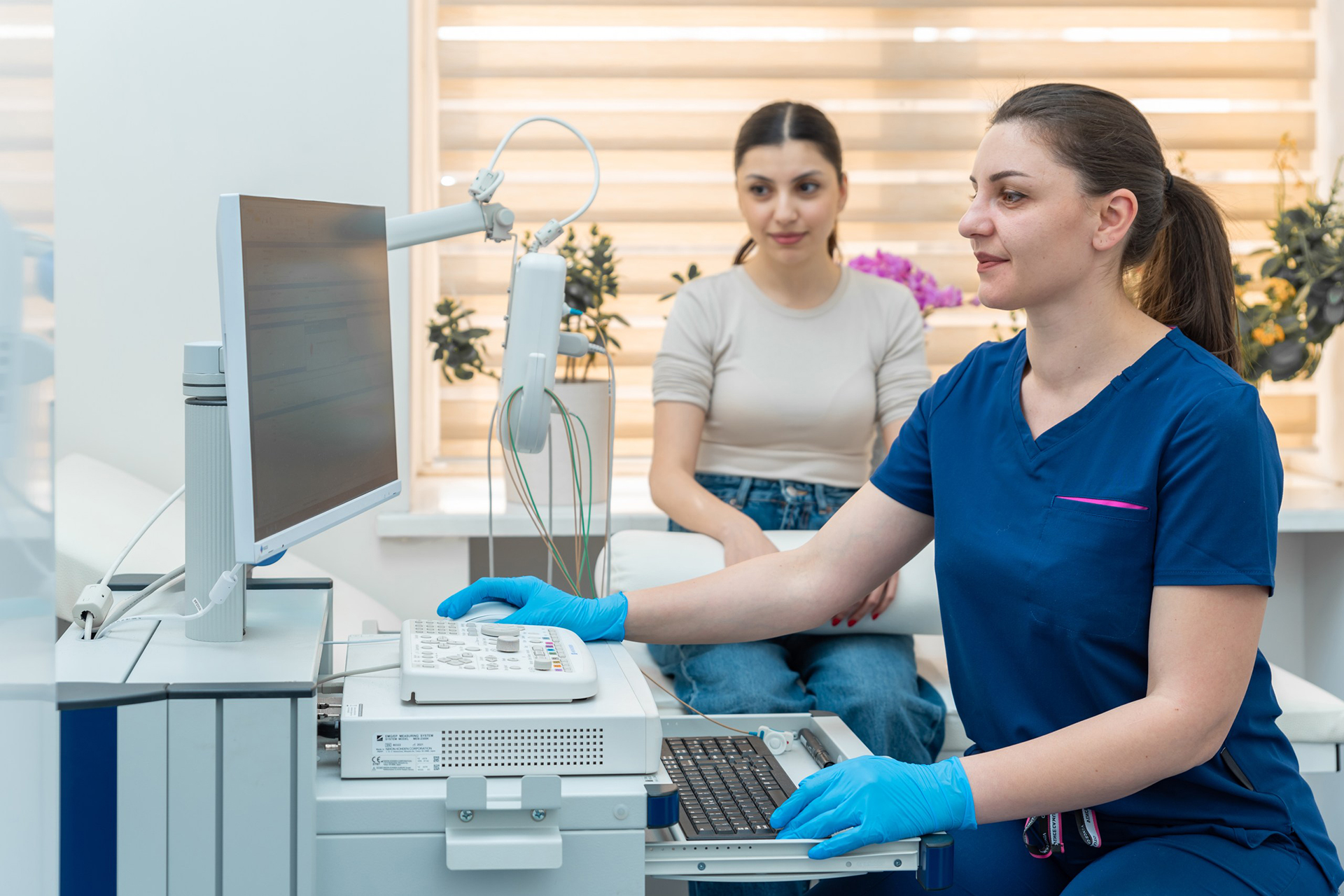
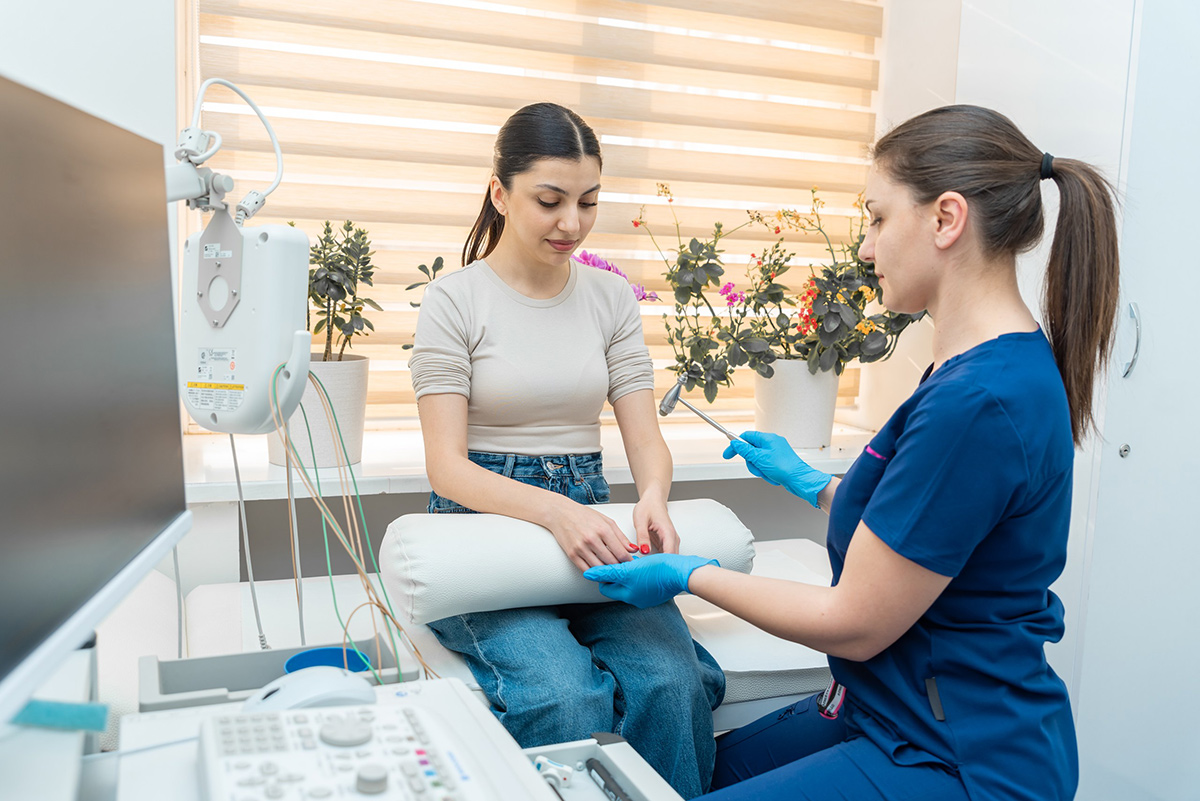
The procedure is carried out by a neurologist using advanced equipment. Two main techniques are used:
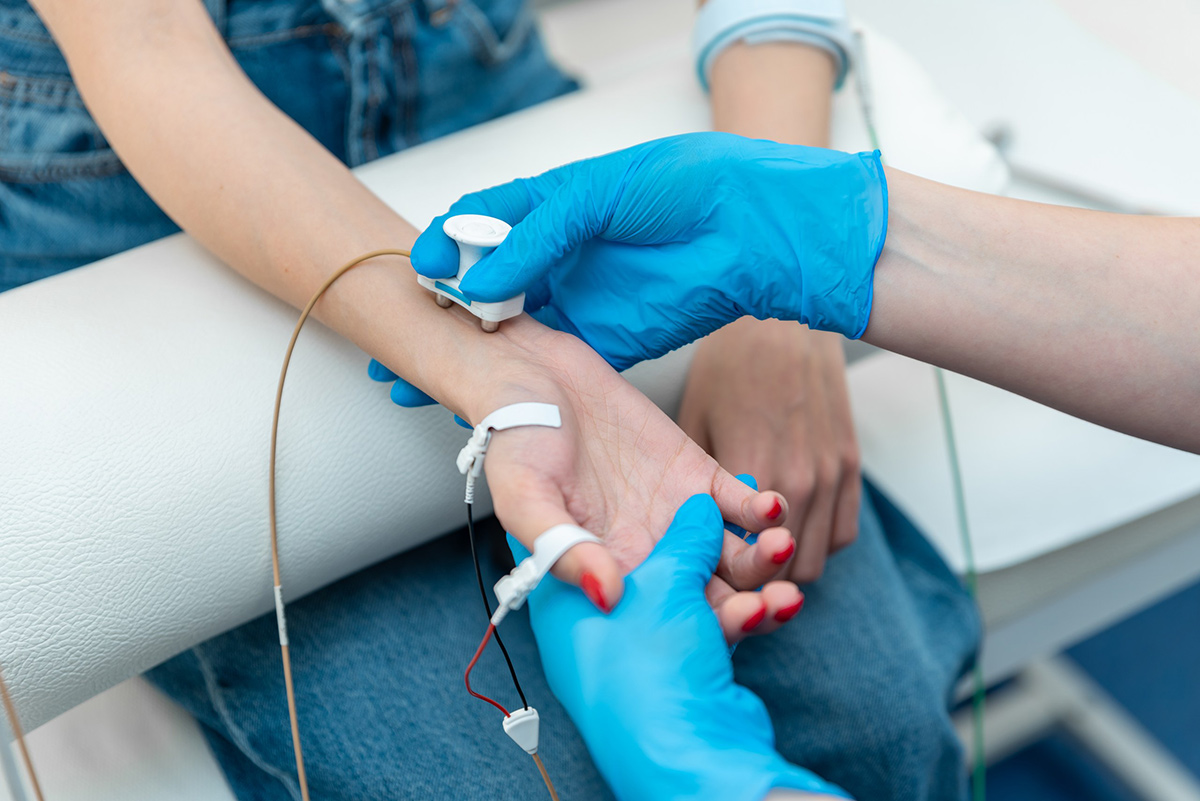
- Nerve conduction study (stimulation) — electrodes are placed on the skin to measure the speed of nerve impulse transmission.
- Needle electromyography — a thin needle electrode is inserted into a muscle to assess its electrical activity at rest and during contraction.
The examination lasts about 20–60 minutes. Some discomfort may occur during needle insertion, but the method is considered safe and only mildly uncomfortable.
What ENMG Shows
ENMG provides valuable information about the state of the neuromuscular system. It allows the physician to:
- assess nerve impulse speed and conduction
- detect nerve compression or injury
- differentiate between neurological and muscular disorders
- monitor the effectiveness of treatment and rehabilitation
- clarify diagnosis when other methods (MRI, ultrasound) are inconclusive
ENMG is often regarded as the “final step” in neurological diagnostics, helping to determine the optimal treatment strategy.
Where to Perform ENMG in Yerevan
At Nairi Medical Center, ENMG is carried out in accordance with international standards:
- using modern equipment
- by experienced neurologists and neurophysiologists
- with an individual approach
- in a comfortable environment
Both upper and lower limb ENMG examinations are available. Results are analyzed immediately and provided to the patient in a clear and understandable report.
For appointments, please call 89 00 or visit the center at 21 Paronyan Street.
Doctors

Frequently Asked Questions
The duration of ENMG depends on the number of nerves or muscles being examined, as well as on the type of study performed. It usually takes about 20 to 60 minutes. If several areas are assessed or different techniques are used, the examination may take longer.
ENMG may be associated with some discomfort. During stimulation ENMG, the patient may feel brief electrical impulses, while needle ENMG may cause mild pricking pain or discomfort. The intensity of these sensations depends on the type of examination and the patient’s individual sensitivity.
ENMG is not performed for children at Nairi Medical Center.
Facial nerve ENMG helps assess nerve conduction and the functional state of the facial muscles. It may be used to evaluate the extent of facial nerve damage, the dynamics of recovery, and the state of neuromuscular transmission.
ENMG results are often assessed preliminarily during the examination or immediately afterward. The time required to provide the final report depends on the scope of the study and the analysis of the recorded data.
Stimulation ENMG evaluates nerve conduction using external electrical stimulation, whereas needle ENMG is performed with a thin needle electrode and allows assessment of the electrical activity of muscles. These methods often complement each other, and the choice between them depends on the clinical problem.
The possibility of undergoing ENMG under an insurance package or with reimbursement depends on the specific insurance plan and its terms.
Yes, in some cases the examination may be limited to assessing only one nerve or one anatomical region, if the clinical problem is clearly localized or if the study is repeated to evaluate the dynamics of the lesion.
A referral for ENMG is advisable, as it helps clarify the purpose of the examination and the anatomical area to be assessed.
Author:

Updated:
24 October 2025, 16:59Our certificates


List of services
- ▸ Plasmapheresis
- ▸ “Longevity Nairi”
- ▸ Laboratory Diagnosis
- ▸ Computed Tomography
- ▸ Magnetic Resonance Imaging
- ▸ Mammography
- ▸ X-Ray Diagnostics
- ▸ Ultrasound Diagnostics
- ▸ Endoscopic Diagnosis
- ▸ Functional diagnostics
- ▸ Electroneuromyography (ENMG)
- ▸ Electroencephalography (EEG)
- ▸ Vascular Ultrasound or Duplex Scan
- ▸ Kidney CT Scan
- ▸ Ultrasound (US) of the Lower Limbs
- ▸ Lymph Node Ultrasound (USG)
- ▸ CT Scan of the Heart
- ▸ CT Scan of the Liver
- ▸ Breast Ultrasound
- ▸ Pelvic Ultrasound
- ▸ Thyroid ultrasound
- ▸ Kidney Ultrasound
- ▸ Liver Ultrasound
- ▸ Ultrasound of the ovaries
- ▸ Ultrasound of the heart
- ▸ Abdominal ultrasound
- ▸ Ultrasound during pregnancy
- ▸ CT of paranasal sinuses
- ▸ Computed tomography of the chest
- ▸ Head/brain computed tomography
- ▸ Abdominal computed tomography
- ▸ Spinal MRI
- ▸ Joint MRI
- ▸ Brain MRI


