

Computed Tomography
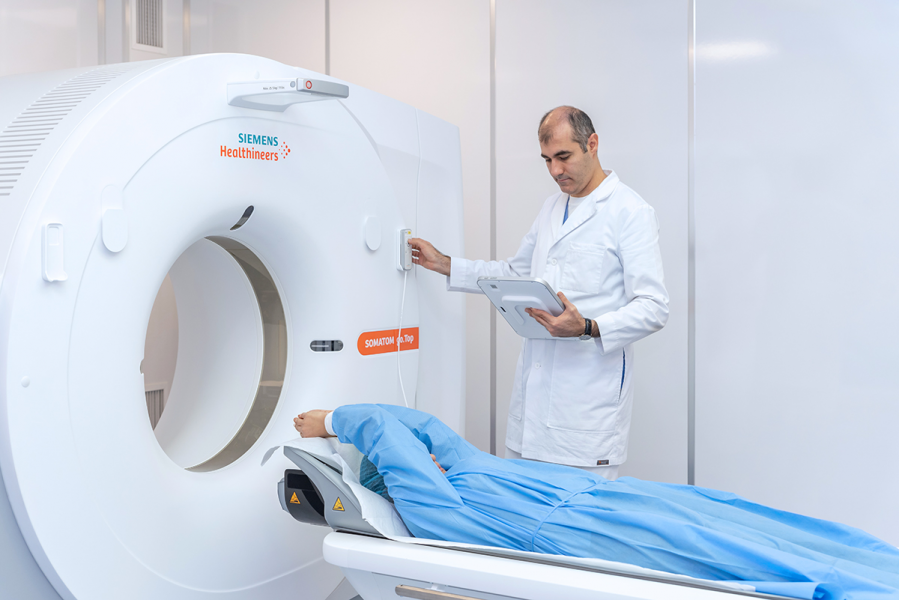
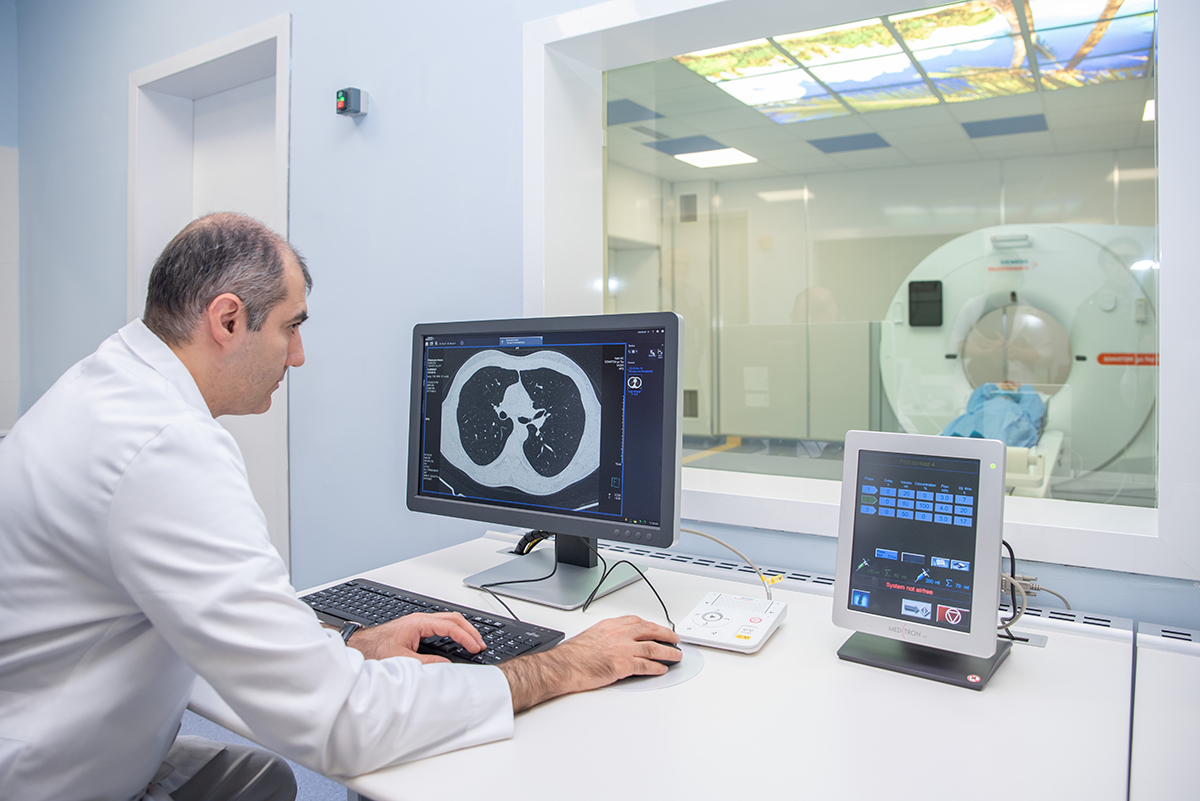
Computed tomography is a high-tech, efficient, and reliable method of radiological diagnosis based on obtaining layered images of the patient's body using computer reconstruction. A computed tomograph is used, capable of quickly producing high-quality images, including three-dimensional ones, with advanced visualization of the vascular structure.

Computed tomography is a modern imaging technology that uses X-ray radiation to create detailed cross-sectional images of the internal structure of the human body.
Indications for a visit
In various cases, the doctor may direct the patient to a computed tomography (CT) scan to get a more detailed understanding of the internal structure of the body.
Below are some common symptoms that may indicate the need for a computed tomography (CT) scan:
- Headache; if the patient experiences severe and/or frequent headaches, especially when accompanied by other symptoms,
- Head or neck injuries; after serious head or neck injuries, a CT scan may be ordered to search for bleeding or other changes in tissues.
- Abdominal pain; if you have unexplained abdominal pain, especially when suspecting any problems with the abdominal organs, your doctor may direct you to get a computed tomography (CT) scan.
- Suspecting tumors or neoplasms; if any neoplasms are found in the patient or there is a suspicion of tumors growing in organs or tissues,
- Complications after surgical interventions,
- Problems associated with joints and bones,
- Problems associated with lungs; a chest CT scan may be ordered when suspecting a presence of lung disease.
It is important to note that the decision to carry out a computed tomography (CT) scan is made by the physician based on the medical history, clinical symptoms, and other available data.
With the help of computed tomography, the following are carried out:
- computed tomography (CT) of the brain (in case of acute cerebral blood circulation disorders),
- diagnosis of polytraumas
- CT with bolus contrast
- CT-angiography with contrast
- diagnosis of complex surgical diseases,
- detecting tumors,
- diagnosis of vascular pathologies,
- diagnosis of bone pathologies,
- CT of the heart,
- CT during some medical interventions (biopsy, drainage)
- CT of the kidneys
- Chest CT
- Abdominal CT
- Head and neck CT
- CT of the spinal cord
- CT of paranasal sinuses
- CT of the liver
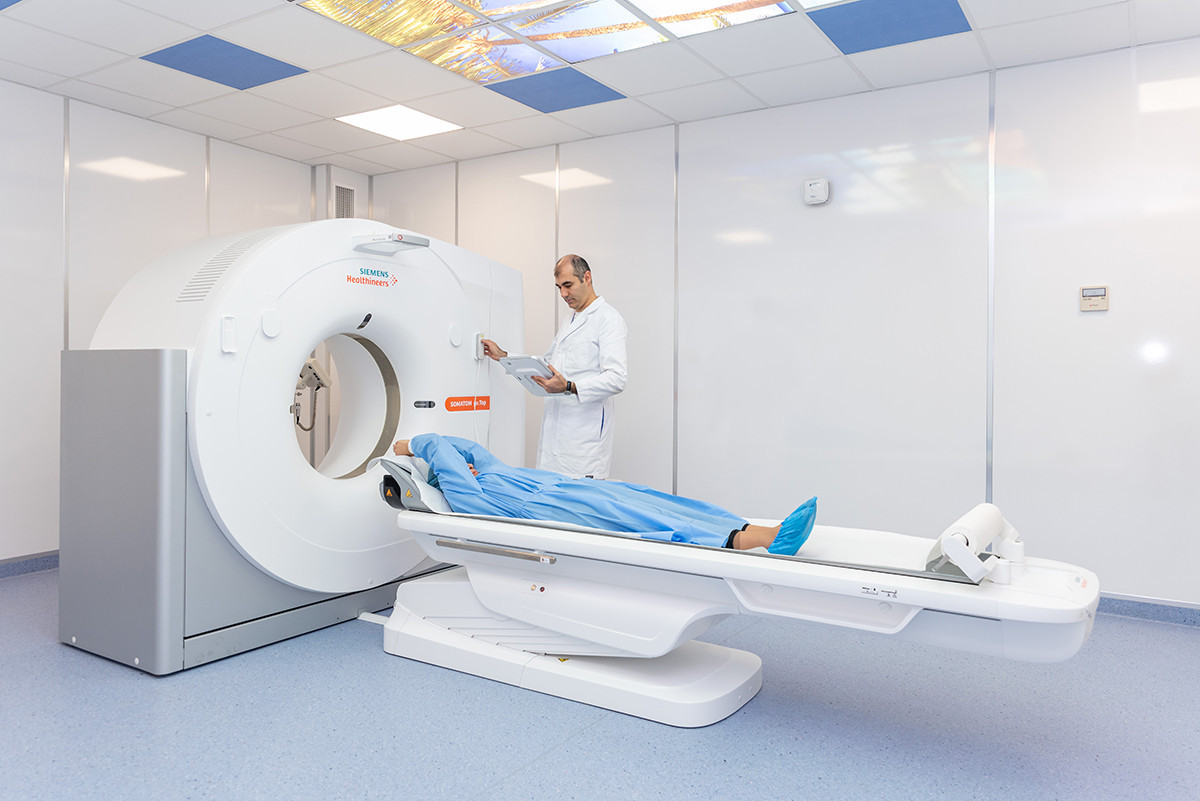
Our equipment
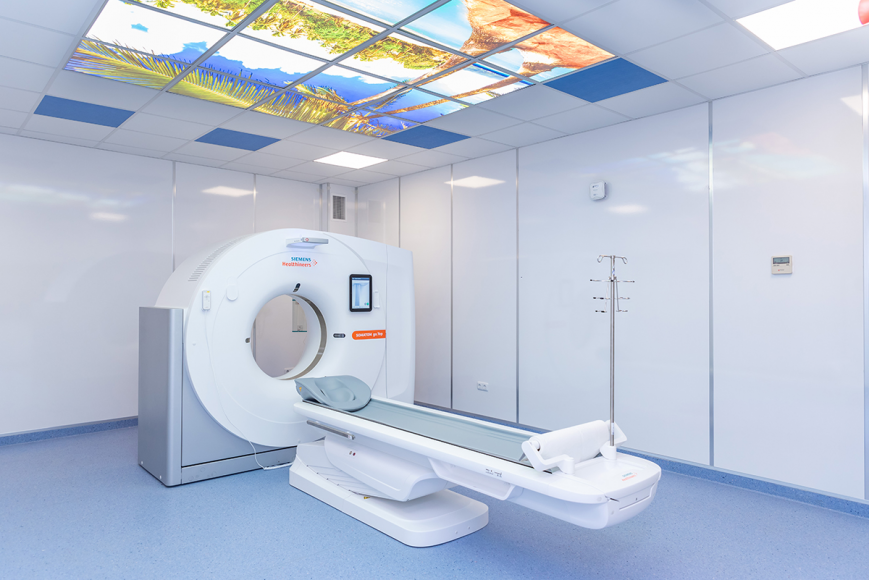
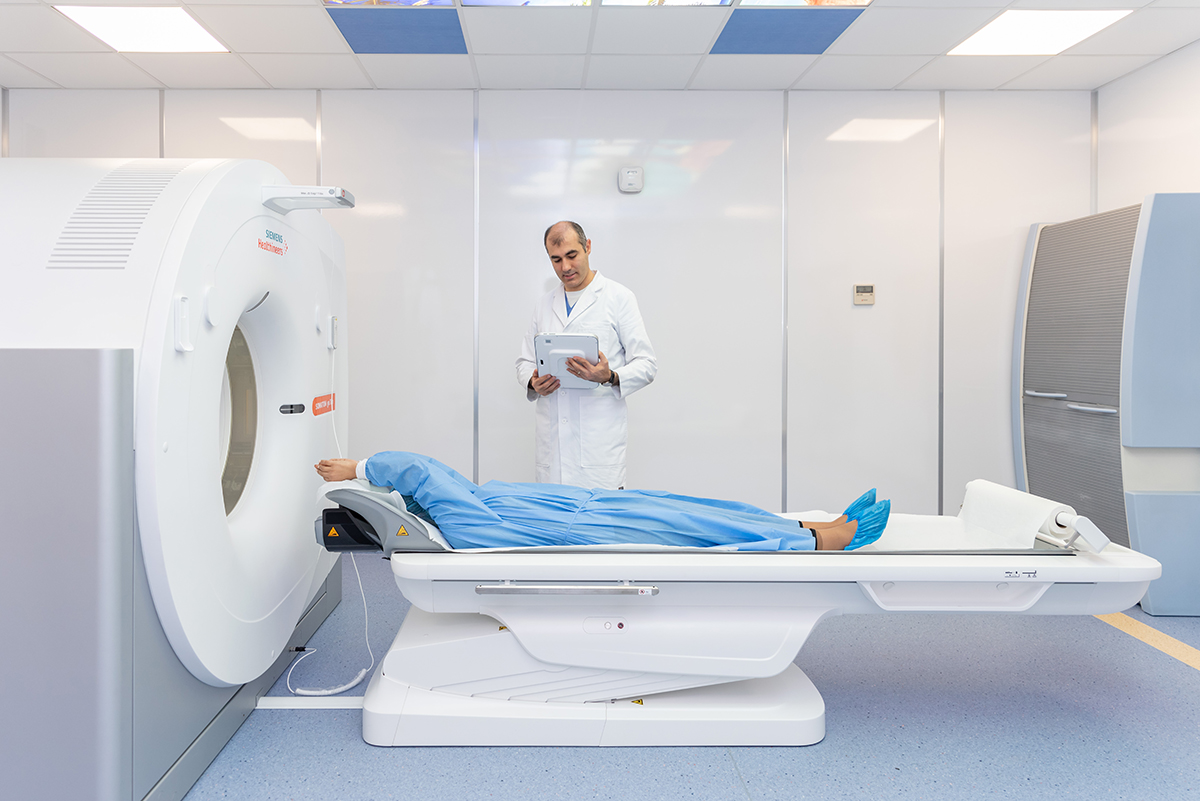
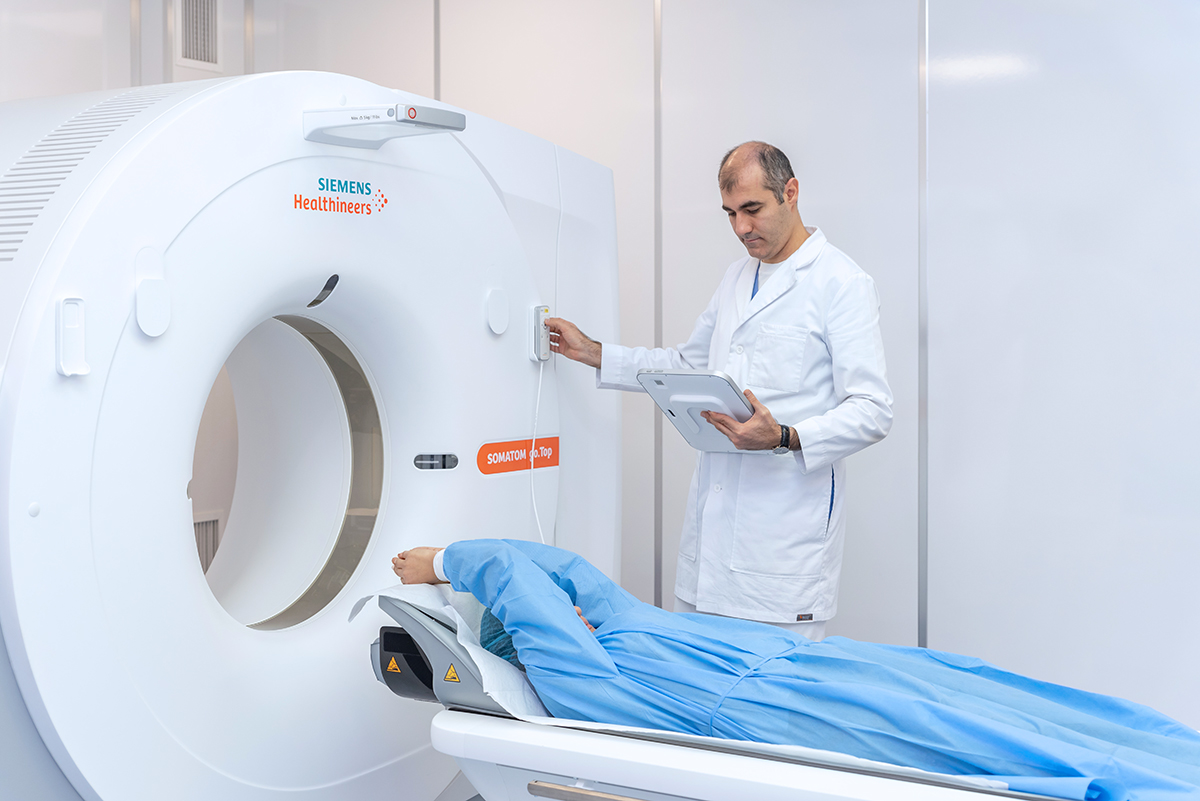
Siemens Somatom Cardiac Sensation 64 computer tomograph is the best solution for visualizing the entire body and diagnosing pathologies of any organ system of the body, including diseases of the cardiovascular system. With the help of the device, CT angiography, spiral, and vessel imaging studies are performed to detect vascular anomalies, aneurysms, atherosclerotic plaques, and stenoses. The unique z-Sharp technology developed by Siemens ensures rapid and precise examination and detailed CT images.
You can book a Computed tomography examination in Yerevan by calling +37410536933 or +37499991616 or visiting us at the Paronyan Street 21 building.
List of diseases
Eye diagnostics
Pathology of the salivary glands
Pathology of the thyroid gland
Pathology of the lymph nodes
Pathology of the pharynx and throat
Chest injuries
Pathology of the pleura and lungs
Pathology of the mammary gland
Pathology of the liver and pancreas
Pathology of the heart and blood vessels
Pathology of the digestive system
Pathology of the urinary system
Pathology of the spine and spinal cord
Pathology of the bones and joints
Oncological diseases of any localization
Vascular deformities
Vascular obstructions
Ischemic heart diseases
Inflammations of the paranasal sinuses
Diseases of the lungs and mediastinum
Injuries of bones, soft tissues, and internal organs
Pathology of the abdominal cavity and pelvis
Congenital anomalies and malformations of the brain
Head injury
Cerebrovascular diseases
Pathology of the ear, throat, and nose
Doctors


News

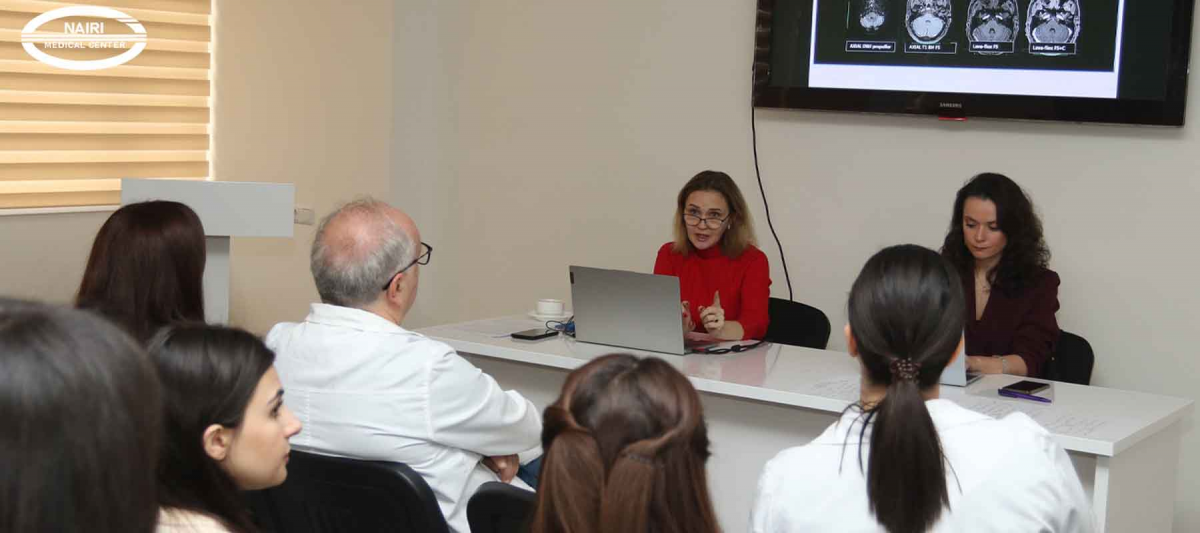

Representatives of Nairi and Erebuni Medical Centers participated in the Annual Congress of the Radiological Society of North America
The 109th Annual Scientific Congress of the Radiological Society of North America RSNA was held in Chicago.
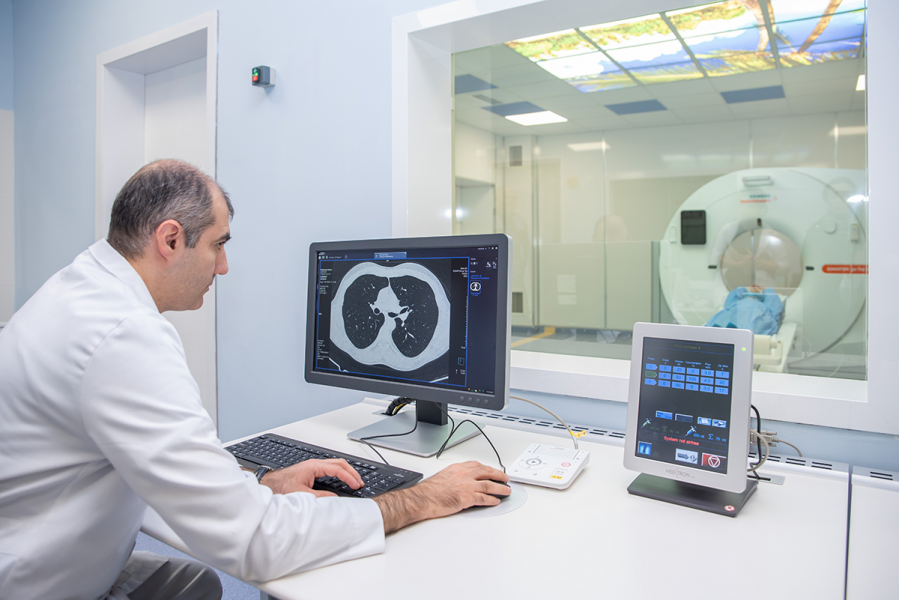
CT or MRI: With or Without Contrast?
Whether a CT or MRI scan should be performed with or without contrast depends on the clinical question, the area being examined, and the patient’s individual condition.

Armenian–French Scientific Conference of Radiologists
Frequently Asked Questions
The cost of a CT scan depends on the anatomical area being examined, the extent of the study, and whether contrast enhancement is required. Different pricing may apply for CT scans of the brain, lungs, abdomen, spine, blood vessels, or multiple body regions. To determine the exact cost, it is usually necessary to specify the area to be examined. Prices may range approximately from 20,000 to 120,000 AMD.
Yes, a referral is required for a CT scan, as it helps clarify the purpose of the examination, the area to be scanned, and whether contrast enhancement is needed.
Computed tomography uses X-ray radiation; therefore, the examination is performed only when medically indicated. Modern equipment and imaging protocols allow the use of the minimum radiation dose necessary to achieve diagnostic accuracy. The necessity of the examination is evaluated individually by the radiologist.
The scan itself usually takes only a few minutes, although the overall visit may take longer due to preparation and administrative procedures. If contrast material or multiphase imaging is required, the total duration may increase. The scanning process itself is typically brief, but it is important for the patient to remain still during the examination.
CT examinations in children are performed only when medically necessary and when rapid, accurate imaging assessment is required. In pediatric patients, particular attention is paid to minimizing radiation exposure and selecting the appropriate scope of the examination. The need for the scan, its format, and any limitations are determined by the physician based on the child’s age, condition, and clinical situation.
Yes, CT scans with contrast enhancement may be performed when medically indicated. Contrast material is used for a more detailed evaluation of certain organs, blood vessels, tumors, or inflammatory changes, as well as for differential diagnosis. Before the examination, additional assessment may be required, including information about allergies, kidney function, and underlying medical conditions.
The frequency of CT examinations is determined based on medical necessity, as the method involves radiation exposure. Repeat scans are recommended only when required for diagnosis, follow-up monitoring, or evaluation of treatment outcomes. The decision depends on the type of examination, the area being studied, and the patient’s previous CT history.
The turnaround time for CT results depends on the complexity and extent of the examination, as well as the reporting process. In most cases, the images and medical report are provided within the established timeframe, either on the same day or later. If a multiphase or contrast-enhanced study has been performed, or if more detailed analysis is required, reporting may take longer.
CT scan results are interpreted and reported by a radiologist. The radiologist evaluates the cross-sectional images, identifies any abnormalities, and prepares the medical report. The final clinical interpretation is usually provided by the treating physician, who correlates the CT findings with the patient’s symptoms, examination findings, and other laboratory or instrumental test results.
Before undergoing a contrast-enhanced CT scan, a blood creatinine test may be required to assess kidney function. This is especially important for patients with kidney disease, diabetes, advanced age, or other factors that may affect the safe use of contrast material. The need for this test is determined based on the type of examination and the patient’s overall health condition.
Author:

Updated:
10 August 2025, 18:41Our certificates



List of services
- ▸ Plasmapheresis
- ▸ “Longevity Nairi”
- ▸ Laboratory Diagnosis
- ▸ Computed Tomography
- ▸ Magnetic Resonance Imaging
- ▸ Mammography
- ▸ X-Ray Diagnostics
- ▸ Ultrasound Diagnostics
- ▸ Endoscopic Diagnosis
- ▸ Functional diagnostics
- ▸ Electroneuromyography (ENMG)
- ▸ Electroencephalography (EEG)
- ▸ Vascular Ultrasound or Duplex Scan
- ▸ Kidney CT Scan
- ▸ Ultrasound (US) of the Lower Limbs
- ▸ Lymph Node Ultrasound (USG)
- ▸ CT Scan of the Heart
- ▸ CT Scan of the Liver
- ▸ Breast Ultrasound
- ▸ Pelvic Ultrasound
- ▸ Thyroid ultrasound
- ▸ Kidney Ultrasound
- ▸ Liver Ultrasound
- ▸ Ultrasound of the ovaries
- ▸ Ultrasound of the heart
- ▸ Abdominal ultrasound
- ▸ Ultrasound during pregnancy
- ▸ CT of paranasal sinuses
- ▸ Computed tomography of the chest
- ▸ Head/brain computed tomography
- ▸ Abdominal computed tomography
- ▸ Spinal MRI
- ▸ Joint MRI
- ▸ Brain MRI


