
Diagnosis and Treatment of Strabismus at Nairi Medical Center's Ophthalmology Clinic
Strabismus, commonly known as crossed eyes or eye misalignment, is a condition in which one or both eyes deviate from their normal alignment when looking straight ahead. The deviation may be constant or intermittent and may alternate between the eyes.
Strabismus is not merely a cosmetic concern; it can also affect several important visual functions, including binocular vision and depth perception.
Strabismus can develop due to a variety of congenital or acquired factors, including:
- Moderate to severe refractive errors, such as farsightedness (hyperopia), nearsightedness (myopia), and astigmatism
- Eye injuries
- Disorders of the central nervous system
- Abnormal development or attachment of the extraocular muscles
- Paralysis or weakness (paresis) of the muscles responsible for eye movement
- Significant loss of visual acuity in one eye
- Infectious or systemic illnesses during childhood
- Stress and other contributing factors
In some cases, strabismus can be suspected simply by observing a child's eye alignment. However, a comprehensive ophthalmological examination is essential to determine the specific type and characteristics of strabismus and establish an accurate diagnosis.
Treatment of Strabismus
Treatment of strabismus is often a complex, long-term process that should begin as early as possible.
Depending on the type and severity of the condition, treatment may involve nonsurgical methods, surgical intervention, or a combination of both.
Treatment typically begins with correcting any existing refractive errors, including nearsightedness, farsightedness, or astigmatism.
Children may be prescribed corrective glasses from an early age. In many cases, these glasses must be worn consistently over an extended period to help improve eye alignment and visual function.
Another component of treatment may involve specialized vision therapy exercises designed to improve eye coordination and binocular visual function.
Surgical Treatment of Strabismus
Strabismus surgery generally involves two main approaches:
- Weakening an overacting extraocular muscle: This procedure reduces the pulling force of a muscle contributing to eye misalignment.
- Strengthening an underacting extraocular muscle: This procedure increases the effectiveness of a muscle responsible for controlling eye movement.
Following surgery, patients may be advised to perform specific eye exercises and attend regular follow-up appointments with an ophthalmologist to monitor recovery and treatment outcomes.
Strabismus Treatment at Nairi Medical Center
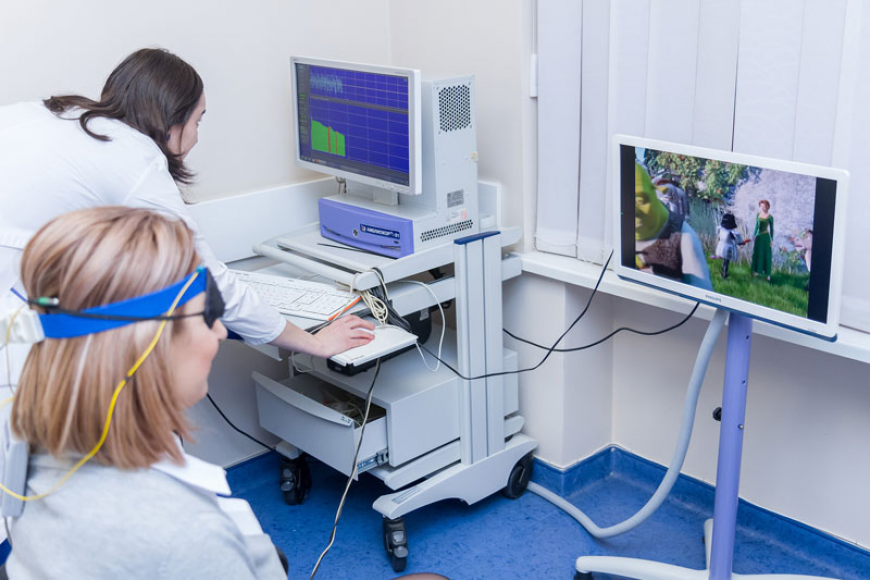
At the Ophthalmology Clinic of Nairi Medical Center, qualified specialists provide both device-assisted nonsurgical treatment and surgical correction of strabismus.
The clinic is equipped with advanced ophthalmological technology, enabling specialists to provide individualized care in accordance with internationally recognized medical standards.
For consultations and appointment scheduling, please contact us at:
+374 10 502 522
+374 91 555 156
8900