Breast Augmentation
Breast augmentation, or augmentation mammoplasty, is a surgical procedure designed to increase breast volume, correct asymmetry, or restore volume lost after pregnancy, breastfeeding, or weight loss. Breast augmentation is performed using two main approaches: placement of breast implants or transfer of the patient’s own fat through lipofilling.
The method is selected based on more than the desired breast size alone. Chest width, the amount of natural breast tissue, skin thickness, breast position, asymmetry, future pregnancy plans, and the desired appearance are all taken into consideration.
Breast augmentation, or augmentation mammoplasty, is the surgical correction of breast volume and shape.
With implant-based augmentation, an appropriately sized implant is placed beneath the breast tissue or chest muscle. With lipofilling, fat is removed from the patient’s abdomen, flanks, thighs, or another area using liposuction, processed, and then injected in small amounts into different layers of the breast tissue.
Implants generally allow for a greater and more predictable increase in volume, while fat transfer may be suitable for patients who want a relatively modest increase and prefer not to have implants.
Implants or lipofilling?
Both methods can provide a natural appearance, but they offer different possibilities.
Breast augmentation with implants
Implants make it possible to select breast volume, projection, and shape more precisely. This approach is particularly suitable when a significant increase is desired or when there is not enough donor fat for lipofilling.
Breast size should not be assessed only in terms of going “one or two cup sizes larger,” because bra cup sizes are not standardized. Implants are selected by volume in milliliters, taking chest width and tissue characteristics into account. In one study, a one-cup-size difference corresponded to approximately 130–150 ml on average, although this is not the same for every woman.
Breast augmentation with the patient’s own fat - lipofilling
Lipofilling begins with liposuction. The harvested fat is processed, after which viable fat cells are gradually injected into different areas of the breasts.
This option is generally intended for a more subtle increase, often around half to one cup size after a single procedure.
Not all of the transferred fat survives. In a 2023 systematic review, the average retained volume was approximately 58%, although individual variation was considerable. For this reason, a second lipofilling procedure may sometimes be required to achieve the desired volume.
An advantage of lipofilling is that the patient’s own tissue is used, the breasts feel very natural, and liposuction can be performed on another area at the same time. However, achieving a very large increase in volume in a single procedure is generally less predictable than with implants.
What breast augmentation methods are available at Nairi Medical Center?
The Aesthetic and Plastic Surgery Service at Nairi Medical Center performs a range of breast procedures, including implant augmentation, endoscopic breast augmentation using the dual-plane technique, breast lipofilling, revision surgery, breast lift combined with augmentation, reconstructive procedures, and correction of tuberous breasts.
This means that the patient’s concern does not always have to be addressed simply by placing an implant. If the breast tissue is significantly sagging, adding volume alone may not be sufficient, and mastopexy, or breast lift surgery, may also be required.
What types of breast implants are available?
Breast implants differ in filler material, shape, surface, size, and profile.
Silicone implants are filled with silicone gel. The gel used in modern implants may vary in density and cohesiveness.
In terms of shape, implants may be round or anatomical. Round implants can generally provide more fullness in the upper pole, while anatomical implants have a teardrop-shaped design.
In terms of surface, implants may be smooth or textured. The risk of the rare lymphoma known as BIA-ALCL is higher with textured implants than with smooth implants.
Implants also come in different profiles, ranging from low to high projection. Two implants with the same volume may have different widths and different forward projections.
The currently published official page of Nairi Medical Center does not specify a particular list of implant manufacturers being used. For this reason, the manufacturer and exact model should be confirmed during the consultation, and the patient should receive the manufacturer’s documentation and implant card for the selected implant.
How are implant size and shape selected?
An implant is not selected solely according to the patient’s desired cup size.
The surgeon measures the width of the chest and breast base and evaluates the amount of natural tissue, skin thickness, nipple position, breast asymmetry, and overall body proportions.
For example, an implant that is too wide for a narrow chest may extend beyond the natural borders of the breast, while excessive projection may place unnecessary tension on the tissues.
The final decision involves not only implant volume in milliliters but also diameter, profile, and shape. Some centers also use trial sizers or three-dimensional modeling.
Where is the implant placed?
A special space, or “pocket,” is created for the implant.
With subglandular placement, the implant is positioned between the breast tissue and the chest muscle. Recovery may be easier in some cases, but when the patient has very little natural tissue, the edges of the implant may be more visible or palpable.
With submuscular placement, the implant is positioned beneath the pectoralis major muscle.
With the dual-plane technique, the implant is partly covered by muscle and partly lies beneath the breast tissue. The Nairi Medical Center service page specifically mentions endoscopic augmentation using the dual-plane technique.
Where is the incision made?
Three main surgical approaches are commonly used for implant-based breast augmentation.
An incision in the natural fold under the breast provides the surgeon with good visibility and control of the implant pocket. The scar remains within the fold.
An incision along the edge of the areola is concealed at the color transition between the skin and areola. However, this approach may involve more breast tissue and milk ducts.
With an axillary incision, there is no scar on the breast itself. This approach can also be used with endoscopic techniques.
From the perspective of future breastfeeding, incisions around the areola are more likely to affect nerves or milk ducts, while implants placed under the muscle generally have less impact on milk production than those placed above the muscle.
Indications for breast augmentation
Breast augmentation may be performed when the natural breast volume is small, when there is asymmetry between the breasts, or when volume has been lost after pregnancy, breastfeeding, or significant weight loss.
Implants and fat transfer are also used in reconstructive breast surgery after trauma or removal of breast tissue.
If the main concern is significant breast sagging, augmentation alone may not correct the position of the nipple. In such cases, augmentation may be combined with mastopexy.
Contraindications
Elective breast augmentation is not performed during pregnancy or breastfeeding. Surgery may be postponed in cases of active infection, uncontrolled severe chronic disease, serious blood-clotting disorders, or an uninvestigated breast mass.
Smoking also increases wound-healing risks, which is why nicotine use is usually restricted before and after surgery.
Regarding age, medical and regulatory restrictions should be distinguished. In the United States, the FDA has approved saline implants for cosmetic augmentation from age 18 and silicone implants from age 22.
How is breast augmentation surgery performed?
During the preoperative consultation, the breast shape, skin, chest dimensions, and degree of asymmetry are assessed. The desired volume, type of implant, and placement technique are discussed.
It is also important to inform the surgeon in advance about any family history of breast cancer, previous biopsies or breast surgery, plans for future pregnancy, and plans for major weight loss.
Depending on the patient’s age, symptoms, and risk profile, breast ultrasound or mammography may be required before surgery.
Implant-based breast augmentation is generally performed under general anesthesia or intravenous sedation. Local anesthesia may be possible in selected limited cases but is not the standard approach for routine implant augmentation.
The procedure usually takes approximately 2 hours or less if it is not combined with another operation.
The surgeon creates the implant pocket, places the selected implant, checks the position and symmetry of both breasts, and closes the incision. A dressing is applied after surgery, and a special supportive bra is usually worn.
In many cases, the patient can go home the same day, although the need for hospitalization depends on the extent of surgery and the postoperative condition.
Recovery after breast augmentation
During the first 2–5 days, tightness, pain, swelling, and muscular discomfort are common, particularly when the implant has been placed under the muscle. Pain is managed with prescribed pain medication.
After about 1 week, discomfort usually decreases considerably. Many patients can return to office work in approximately 1–2 weeks.
If non-absorbable sutures were used, they may be removed after about one week. Absorbable sutures do not require removal.
During the first weeks, a surgical or supportive bra is worn according to the surgeon’s instructions.
Heavy lifting and strenuous physical activity are generally avoided for at least 4 weeks. A full return to sports is often possible at around 6 weeks, while overall recovery usually takes approximately 6–8 weeks.
During the first few weeks, the implants may appear higher than expected and the breasts may feel firm. As the swelling decreases and the tissues adapt, the position and shape of the breasts gradually become more natural.
Scars after breast augmentation
The location of the scar depends on the surgical approach.
With an inframammary incision, the scar remains in the natural fold beneath the breast; with a periareolar incision, it lies along the edge of the areola; and with an axillary approach, it is located in the armpit.
Initially, the scar may be reddish or more noticeable. Over the following months, it generally fades and flattens, although a surgical scar does not disappear completely.
Once the wound has fully closed, silicone gels or sheets may be used if needed. The scar should be protected from sun exposure to prevent darkening.
Pregnancy and breastfeeding after breast implants
Having breast implants does not automatically mean that breastfeeding is impossible. Many women with implants breastfeed successfully, although surgery may reduce milk supply in some cases.
Milk production may be affected by the location of the incision and by injury to nerves or milk ducts during surgery. Incisions around the areola carry a relatively higher risk of affecting these structures.
A future pregnancy does not itself damage the implant, but pregnancy, breastfeeding, and changes in weight may stretch or cause sagging of the patient’s own breast tissue. As a result, breast shape may change over time even when the implant itself remains intact.
Possible risks and complications
Possible complications of implant-based breast augmentation include infection, hematoma, fluid accumulation or seroma, scarring, changes in breast or nipple sensation, implant displacement, asymmetry, and implant rupture.
Capsular contracture occurs when the scar capsule that naturally forms around the implant becomes excessively thick and tight. The breast may become firm, change shape, or become painful. In some significant cases, revision surgery may be required.
A silicone implant rupture may be “silent,” with no obvious symptoms. The FDA recommends that patients with silicone implants and no symptoms undergo their first ultrasound or MRI 5–6 years after surgery, followed by imaging every 2–3 years.
BIA-ALCL is a rare breast implant-associated anaplastic large cell lymphoma. It is not breast cancer and usually develops in the capsule or fluid surrounding the implant. The risk is higher with textured implants. Possible signs include persistent swelling, a mass, or pain developing years after surgery.
Lipofilling does not involve implant-related complications, but partial fat resorption, fat necrosis, oil cysts, and calcifications may occur.
How long do breast implants last?
Breast implants are not lifetime devices, but there is no rule requiring every implant to be replaced, for example, exactly after 10 years.
The longer an implant remains in the body, the greater the likelihood of certain complications such as rupture, capsular contracture, or the need for revision surgery. Replacement may be required in cases of rupture, hardening, displacement, pain, changes in breast shape, or at the patient’s request.
Regular medical follow-up is more important than replacing an implant solely based on the number of years it has been in place.
Why have breast augmentation at Nairi Medical Center?
The Aesthetic and Plastic Surgery Service at Nairi Medical Center offers different breast augmentation approaches based on the patient’s anatomy and desired result.
The center performs implant-based augmentation, endoscopic dual-plane procedures, breast lipofilling, breast lift with simultaneous augmentation, revision surgery, and reconstructive procedures.
This makes it possible to select a solution based not only on the desired volume but also on breast sagging, the thickness of the patient’s own tissues, asymmetry, and the need to combine several techniques when appropriate.
To book an appointment, call 89 00 or visit Nairi Medical Center at 21 Paronyan Street.

Frequently Asked Questions
Yes. Breast implants do not burst or become damaged because of aircraft cabin pressure. After recent surgery, the appropriate timing of a flight should be determined based on the patient’s recovery.
Sleeping on your stomach is usually allowed after approximately 6 weeks, once the tissues have healed sufficiently and pressure on the breasts no longer causes pain or discomfort.
Yes. An implant does not prevent the natural aging of the skin and the patient’s own breast tissue. Pregnancy, weight changes, and gradual tissue stretching over time can alter the position of the breasts.
Breast implants are not considered a cause of conventional breast cancer. However, there is a risk of the rare lymphoma BIA-ALCL, which is more commonly associated with textured implants.
Yes. Mammography can be performed in women with breast implants using additional specialized views. It is important to inform the imaging center when booking and again before the examination that you have breast implants.
Yes. If loss of breast volume is accompanied by sagging, implant augmentation can be performed at the same time as mastopexy. This combined procedure is also available at Nairi Medical Center.
Breast surgery is best planned after breastfeeding has ended and breast size has stabilized, usually at least 3–6 months later.
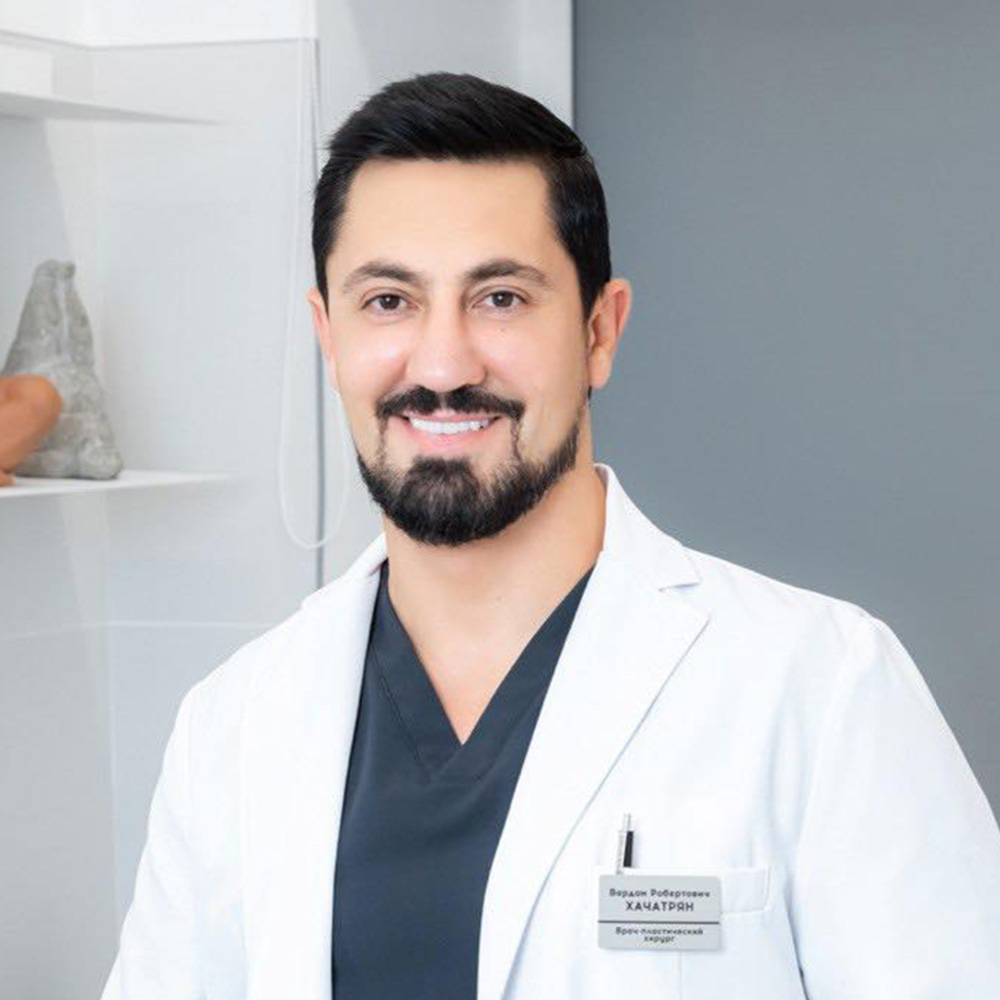
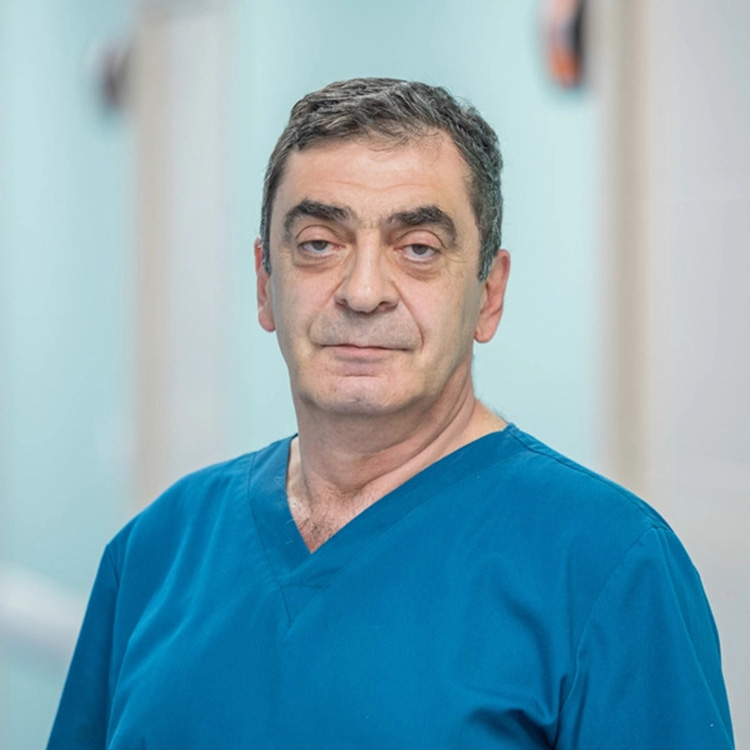
Author:

Updated:
28 October 2026, 14:53Our certificates


List of services
- ▸ Mammoplasty
- ▸ Liposuction
- ▸ Bariatric Surgery (Stomach Reduction)
- ▸ Glaucoma Treatment
- ▸ Strabismus Correction
- ▸ Venous system surgery, lymphology
- ▸ Vascular and Endovascular Surgery
- ▸ Aesthetic and plastic surgery
- ▸ Thoracic Surgery
- ▸ Orthopedic oncology
- ▸ Head and neck surgery
- ▸ Spleen Removal Surgery
- ▸ Surgery for Benign Prostatic Hyperplasia
- ▸ Breast Augmentation
- ▸ Breast Reduction


