

Colposcopy
Colposcopy is a gynecological examination during which a special optical device is used to assess the condition of the mucous membrane of the cervix, vagina, and external genital organs. It is used to evaluate cytological abnormalities, inflammatory changes, lesions associated with the human papillomavirus, and other conditions.
Colposcopy may be indicated in cases of abnormal cervical cytology results, the presence of human papillomavirus, visible cervical changes, as well as when additional assessment is needed during a gynecological examination. At Nairi Medical Center, colposcopy is performed using modern equipment according to clinical indications.
What is Colposcopy?
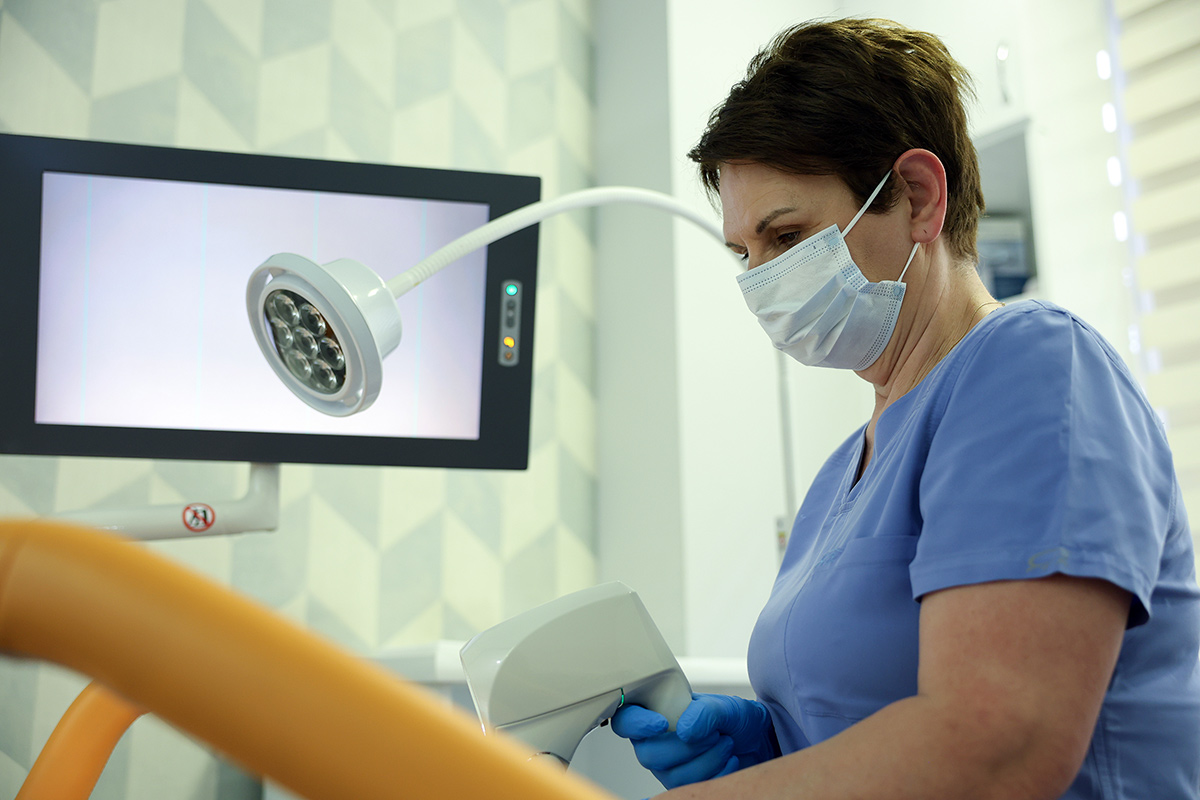
Colposcopy is a diagnostic gynecological procedure that allows detailed examination of the cervix, vagina, and external genital area.
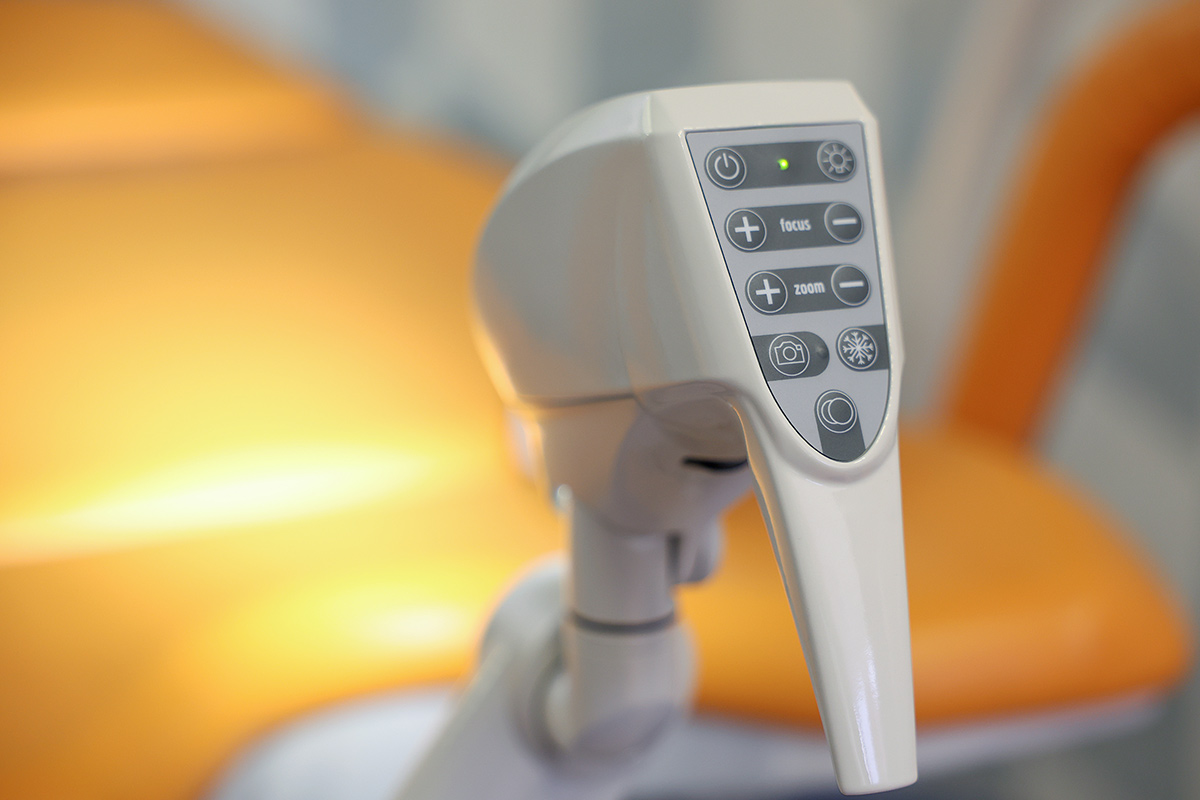
The examination is performed using a colposcope — a specialized optical instrument that magnifies the image and enables detection of microscopic changes invisible to the naked eye.
Colposcopy is used both for preventive screening and for evaluation or follow-up of abnormal findings. It plays a crucial role in the early detection and prevention of cervical cancer.
Indications
- Abnormal Pap smear results
- Suspected cervical erosion or ectopy
- Detection and monitoring of viral infections (e.g., HPV)
- Inflammatory diseases of the cervix and vagina
- Suspicious or precancerous lesions
- Post-treatment or postoperative control
Conditions detected by colposcopy
- Cervical ectopy
- Inflammatory changes of the mucosa
- HPV-related lesions
- Polyps and small neoplasms
- Precancerous and cancerous changes (CIN, carcinoma in situ)
- Vascular structure abnormalities
Detecting changes at an early stage allows simpler and more effective treatment, which is why regular colposcopy is essential for women’s health.
Preparation for the procedure
- Avoid sexual intercourse 1–2 days before the examination
- Do not use vaginal suppositories, gels, or local medications (unless prescribed)
- Avoid vaginal douching
- If inflammation or bleeding is present, postpone the procedure until recovery
How the procedure is performed
Colposcopy is performed on a gynecological chair, is non-invasive, painless, and safe.
The procedure usually lasts 10–20 minutes and does not require anesthesia.
Best timing
The optimal time for colposcopy is day 7–12 of the menstrual cycle, right after menstruation. At this stage, the mucosa is clearer, allowing for precise assessment of tissue condition.
If the cervix does not stain with iodine
During the procedure, an iodine test (Schiller’s test) is used to distinguish healthy from abnormal tissues.
Lack of staining may indicate:
- Inflammatory changes
- Precancerous conditions or dysplasia
- Tissue changes caused by viral infection
In such cases, additional tests such as biopsy, HPV testing, or cytology may be recommended.
Where to perform Colposcopy in Yerevan
At Nairi Medical Center, colposcopy is performed with modern optical systems by highly qualified gynecologists, following international standards.
Our advantages:
- Advanced diagnostic equipment
- Individualized and patient-centered approach
- Comfortable and professional environment
To book an appointment, call 89 00 or visit Nairi Medical Center, 21 Paronyan Street.

Frequently Asked Questions
If the examination is not related to urgent complaints, colposcopy is usually best performed after the end of the menstrual cycle, on the days when the cervical mucosa can be assessed most clearly. The most appropriate day is determined based on the characteristics of the cycle and the purpose of the examination.
Colposcopy usually takes about 10–20 minutes. The duration may vary depending on the extent of the examination, the need for additional sampling, and the clinical situation. If a biopsy is also performed during the procedure, the total time may increase slightly.
Colposcopy usually does not cause significant pain, but it may be accompanied by some discomfort, similar to a routine gynecological examination. If a biopsy is performed during the procedure, there may be brief unpleasant or pulling sensations.
Yes, in some cases colposcopy can also be performed during pregnancy if there are medical indications for it. The appropriateness of the examination is determined by the physician, taking into account the stage of pregnancy, the complaints, and the results of previous examinations.
Colposcopy is usually not performed during menstruation, because bleeding may interfere with the full assessment of the mucosa. For this reason, the examination is generally scheduled for the phase of the cycle when the view is clearest.
If only colposcopy was performed without a biopsy, the patient can usually return to normal activities immediately. If a biopsy was also taken, the physician may give additional instructions regarding hygiene, sexual activity, and the use of local products. After the examination, the doctor’s recommendations should be followed.
If we are referring to the colposcopic assessment itself, the doctor often provides a preliminary conclusion during the examination or immediately afterward. If a biopsy was also taken, the final result becomes available after the histological examination is completed.
Yes, when indicated, a biopsy can also be performed during colposcopy. This means that the doctor takes a small tissue sample for further microscopic examination. A biopsy is performed when it is necessary to assess the nature of the detected changes more precisely.
The frequency of colposcopy is determined by medical indications. It depends on the results of previous examinations, the characteristics of the cytological findings, the presence of human papillomavirus, and the need for follow-up monitoring.
Author:

Updated:
22 October 2025, 20:17Our certificates



List of services
- ▸ Treadmill Test
- ▸ Cardiac Holter Monitoring
- ▸ ECG (Electrocardiography)
- ▸ Cystoscopy
- ▸ Colposcopy
- ▸ Surgery for intervertebral hernia removal
- ▸ Surgical Treatment of Parkinson's Disease
- ▸ Maxillofacial Surgery
- ▸ Tumors of the digestive system
- ▸ Tumors of the nervous system
- ▸ Breast tumors
- ▸ Tumors of the respiratory system
- ▸ Hysteroscopy
- ▸ Bronchoscopy
- ▸ Colonoscopy
- ▸ Գաստրոսկոպիա
- ▸ General Surgery


