
Bronchoscopy
Bronchoscopy is a modern diagnostic procedure that allows physicians to thoroughly examine the airways from the larynx down to the accessible parts of the bronchi. It is performed using a special device called a bronchoscope, equipped with a camera and lighting system.
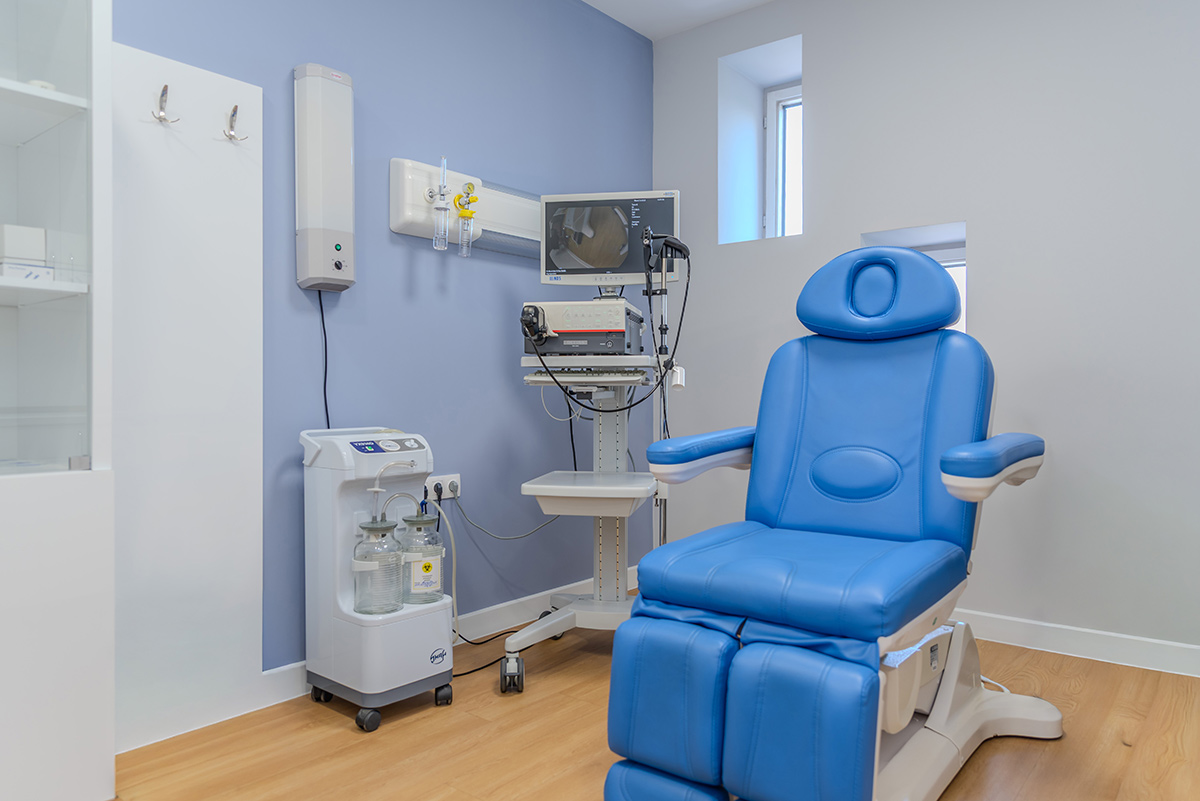
Bronchoscopy is a modern diagnostic procedure that allows physicians to thoroughly examine the airways from the larynx down to the accessible parts of the bronchi. It is performed using a special device called a bronchoscope, equipped with a camera and lighting system.
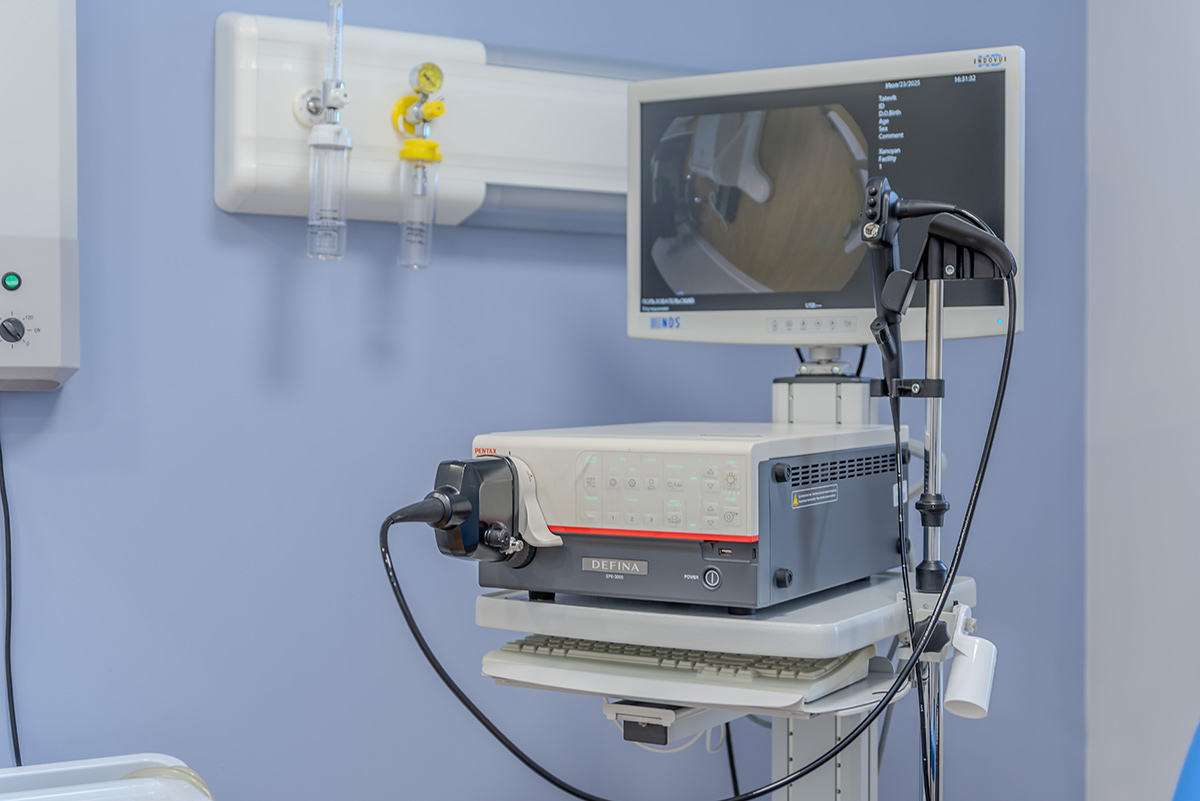
This procedure not only helps to identify diseases of the respiratory tract but also enables small therapeutic interventions when necessary, including airway sanitation (cleaning).
Bronchoscopy can be used to:
- Assess the condition of the airway mucosa
- Detect tumors, inflammatory changes, and obstructions
- Remove mucus or foreign bodies
- Clarify the causes of lung diseases and perform tissue biopsy
- Monitor the airways after surgery and, if necessary, perform cleaning
Indications for bronchoscopy
Bronchoscopy may be indicated in cases such as:
- Persistent cough
- Breathing difficulties
- Presence of blood in sputum (hemoptysis)
- Suspected tumors of the lungs or bronchi
- Chronic bronchitis, bronchiectasis, or other inflammatory conditions
- Prolonged or recurrent pneumonia
- Suspected foreign body in the airways
In addition to diagnostic purposes, bronchoscopy is also used therapeutically — to clean the airways, remove obstructions, or administer local medications.
Preparation for bronchoscopy
Preparation typically includes:
- Preliminary medical examination, laboratory and instrumental tests (complete blood count, coagulation profile, ECG)
- Chest X-ray or CT scan as indicated
- No food or liquids for at least 6–8 hours prior to the procedure
- Limiting smoking and alcohol intake
- The physician explains the procedure in detail and answers all questions
Patients taking anticoagulants or those with allergies must inform their physician in advance.
How bronchoscopy is performed
The procedure is carried out under sterile conditions by an experienced specialist. Two main methods are used:
- Flexible bronchoscopy — the most common, providing comfort and detailed examination
- Rigid bronchoscopy — used in special cases, such as foreign body removal or control of bleeding
The bronchoscope is carefully inserted through the mouth or nose, passes through the larynx, and reaches the bronchi. The camera transmits high-resolution images, enabling a detailed evaluation of the airways.
The procedure usually lasts 10–20 minutes, and may take longer if a biopsy or therapeutic intervention is required. After bronchoscopy, the patient remains under observation until the effects of anesthesia or local sedation wear off completely.
Bronchoscopy under anesthesia
At “Nairi” Medical Center, bronchoscopy can also be performed under general anesthesia, ensuring maximum comfort and eliminating unpleasant sensations. This option is particularly recommended for:
- Children
- Patients with pronounced fear or anxiety
- Long or complex interventions
During and after anesthesia, the patient’s condition is continuously monitored by an anesthesiologist and the medical team.
Where to undergo bronchoscopy in Yerevan
At “Nairi” Medical Center, bronchoscopy is performed using state-of-the-art equipment by highly qualified specialists. Our advantages:
- Latest-generation bronchoscopes
- High-quality imaging systems
- Comfortable conditions and personalized approach
- Possibility to perform the procedure under local anesthesia or general anesthesia
To book an appointment, call 89 00 or visit “Nairi” Medical Center at 21 Paronyan Street, Yerevan.

Frequently Asked Questions
Bronchoscopy usually takes about 15–30 minutes. However, the overall visit may take longer because it also includes preparation, a preliminary discussion with the physician, and a short period of observation after the examination. If a biopsy or another additional procedure is performed, the duration may be longer.
Bronchoscopy may be performed under local anesthesia and, in some cases, with sedation or general anesthesia. The approach is selected individually based on the patient’s condition, the purpose of the examination, and the extent of the planned procedure.
Bronchoscopy may cause some discomfort, but anesthesia helps make the procedure as tolerable as possible. Like any invasive procedure, it carries certain risks, which are assessed and monitored by the physician. The decision to perform bronchoscopy is always based on balancing the expected benefits against the potential risks.
For children, the availability and conditions for bronchoscopy should be confirmed with the medical center in advance. The need for the examination and how it is organized are determined based on the child’s age, condition, and clinical situation.
After bronchoscopy, the patient remains under medical observation for a certain period. Daily activities can usually be resumed afterwards, but the physician’s instructions regarding eating, drinking, and other restrictions should be followed. If a biopsy or another procedure was also performed, additional recommendations may be given.
If the examination involves bronchoscopy alone, a preliminary conclusion is often available after the procedure. If a biopsy or another sample was taken, the final result will be available after additional laboratory or histological analysis. The turnaround time depends on the extent of the procedure performed.
Yes, a biopsy can be performed during bronchoscopy when indicated. A small tissue sample is taken for subsequent microscopic examination. This helps provide a more precise assessment of the nature of the detected changes.
Bronchoscopy allows the physician to assess the lining of the trachea and bronchi and identify inflammatory changes, narrowing of the airways, sources of bleeding, foreign bodies, masses, and other pathological conditions. It is also used when the cause of airway changes detected by other examinations needs to be clarified.
Author:
Updated:
22 October 2025, 10:31Our certificates


List of services
- ▸ Treadmill Test
- ▸ ECG (Electrocardiography)
- ▸ Cystoscopy
- ▸ Colposcopy
- ▸ Surgery for intervertebral hernia removal
- ▸ Surgical Treatment of Parkinson's Disease
- ▸ Maxillofacial Surgery
- ▸ Tumors of the digestive system
- ▸ Tumors of the nervous system
- ▸ Breast tumors
- ▸ Tumors of the respiratory system
- ▸ Hysteroscopy
- ▸ Bronchoscopy
- ▸ Colonoscopy
- ▸ Gastroscopy
- ▸ General Surgery


