

ECG (Electrocardiography)
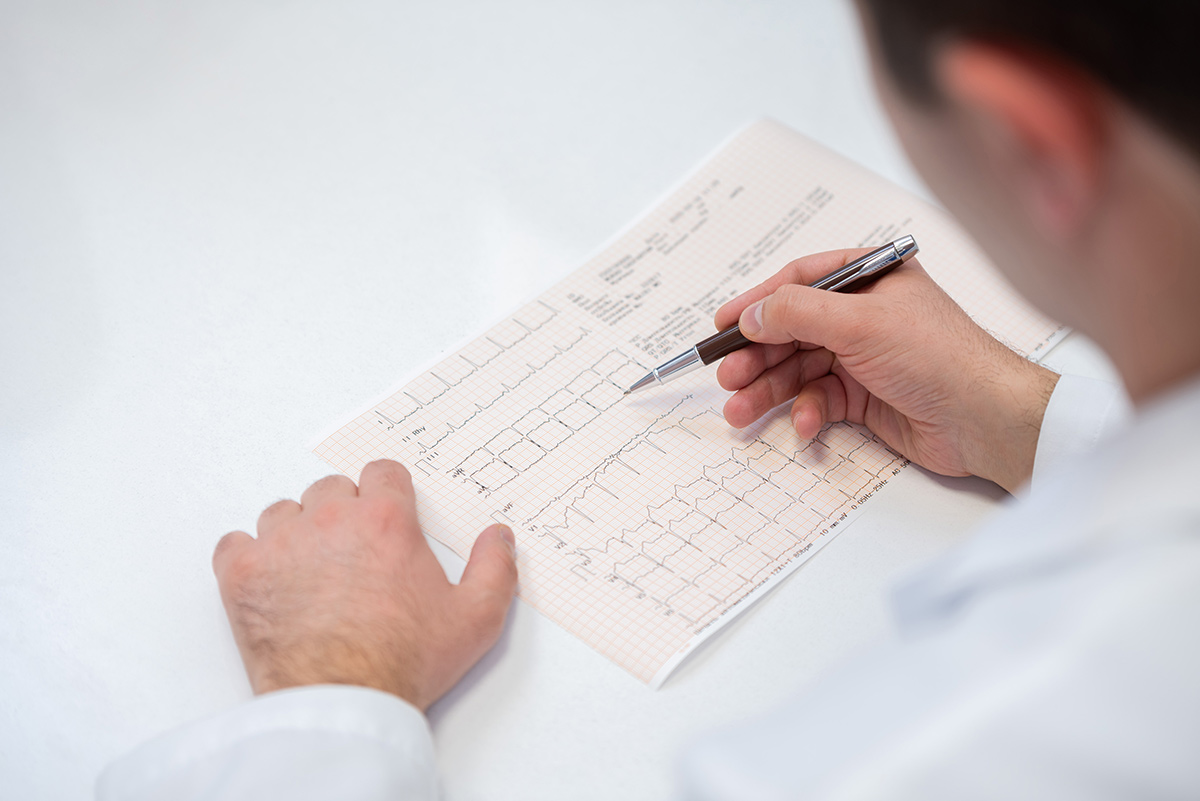
What is an ECG and why is it performed?
Electrocardiography (ECG) is one of the most common, safe, and informative methods for assessing heart function. It records the electrical activity of the heart and helps evaluate how it works. ECG is widely used for diagnosing cardiovascular diseases, as well as for monitoring and preventive purposes.
Each heartbeat is accompanied by electrical impulses that travel through the heart muscle. ECG records these impulses using a specialized device and displays them as a graphical tracing called an electrocardiogram. Based on the recorded data, the physician can assess heart rhythm, heart rate, conduction, obtain information about possible blood supply disturbances, and evaluate other important parameters.
ECG is considered a primary diagnostic tool and often serves as the basis for further detailed cardiac investigations.
When is an ECG recommended?
An ECG may be prescribed by a physician or performed for preventive reasons. It is particularly important in the presence of the following symptoms:
- palpitations or irregular heartbeat,
- chest pain or heaviness,
- shortness of breath or fatigue,
- dizziness or fainting,
- high blood pressure or sudden fluctuations in blood pressure,
- suspected or previously diagnosed cardiovascular disease.
ECG is frequently performed in patients with hypertension to assess its impact on the heart. It is also mandatory before surgical procedures, during pregnancy, in individuals engaged in intensive sports activities, and as part of routine preventive health check-ups.
What does an ECG show?
Electrocardiography helps detect various cardiac abnormalities, including:
- heart rhythm disorders (arrhythmias),
- conduction disturbances,
- myocardial hypertrophy,
- ischemic changes,
- signs of myocardial infarction (current or previous),
- indirect signs of electrolyte imbalance.
Although ECG does not provide a complete anatomical picture of the heart, it is an essential tool for assessing functional cardiac status and detecting potentially dangerous conditions at an early stage.
How is an ECG performed?
The ECG procedure is simple, quick, and painless. It usually takes 5–10 minutes. The patient lies comfortably while electrodes are attached to the chest, arms, and legs. These electrodes are connected to the ECG machine, which records the heart’s electrical activity.
During the test, it is important to remain still and relaxed to ensure accurate results. ECG can be performed at rest or, if indicated by the physician, during physical stress or with pharmacological testing.
ECG in children
ECG is completely safe for children of all ages. In pediatric practice, it is used to detect congenital heart defects, secondary cardiac changes, rhythm disorders, and to assess the heart’s response to physical activity. The procedure is similar to that in adults, with special attention given to the child’s comfort.
Interpretation of ECG results
ECG results are interpreted by a physician, most often a cardiologist. The specialist evaluates heart rhythm, heart rate, electrical axis, and the shape and duration of waves and intervals.
The report may indicate normal findings or various abnormalities. ECG changes are always interpreted in combination with the patient’s symptoms, clinical findings, and other diagnostic results. If necessary, additional tests such as echocardiography or Holter monitoring may be recommended.
Where to get an ECG in Yerevan
You can undergo an ECG examination in Yerevan at “Nairi” Medical Center, where the procedure is performed using modern equipment by experienced specialists. The center ensures prompt examination and accurate interpretation of results.
To schedule an appointment, please call 89 00 or visit “Nairi” Medical Center at 21 Paronyan Street.
Author:

Updated:
05 March 2026, 10:21Our certificates



List of services
- ▸ Treadmill Test
- ▸ Cardiac Holter Monitoring
- ▸ ECG (Electrocardiography)
- ▸ Cystoscopy
- ▸ Colposcopy
- ▸ Surgery for intervertebral hernia removal
- ▸ Surgical Treatment of Parkinson's Disease
- ▸ Maxillofacial Surgery
- ▸ Tumors of the digestive system
- ▸ Tumors of the nervous system
- ▸ Breast tumors
- ▸ Tumors of the respiratory system
- ▸ Hysteroscopy
- ▸ Bronchoscopy
- ▸ Colonoscopy
- ▸ Գաստրոսկոպիա
- ▸ General Surgery


