

Colonoscopy
Colonoscopy is an endoscopic examination used to assess the condition of the mucosa of all sections of the large intestine, as well as the terminal part of the ileum (ileoscopy). It helps detect inflammatory changes, ulcers, sources of bleeding, polyps, neoplasms, and other pathological conditions and, when indicated, allows biopsy or certain therapeutic interventions to be performed.
Colonoscopy may be recommended in cases of changes in bowel habits, prolonged constipation or diarrhea, blood in the stool, abdominal pain, anemia, hereditary predisposition, or suspected polyps and other diseases of the colon. At Nairi Medical Center, colonoscopy is performed according to clinical indications using modern equipment.
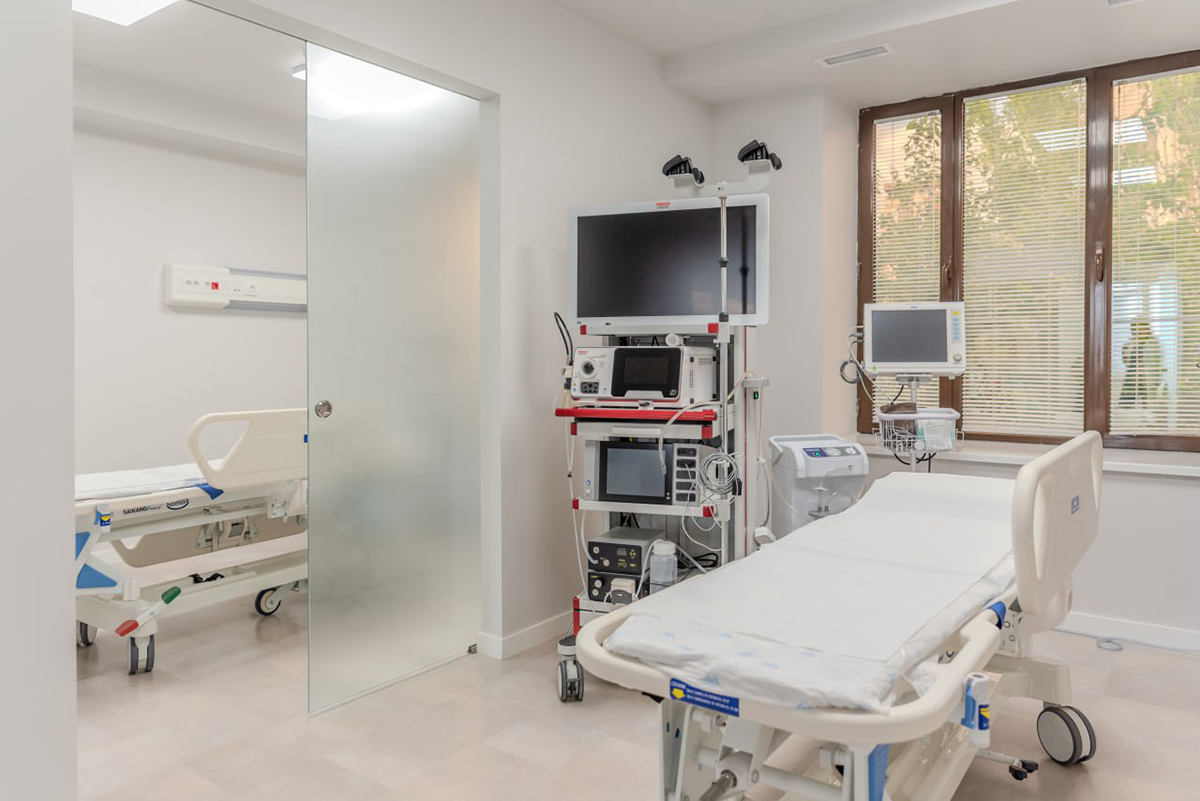
What is a colonoscopy and when is it performed?
Colonoscopy is a diagnostic procedure that allows examination of the mucous membrane of the large intestine to detect inflammatory, infectious, tumorous, or structural changes. It is considered a reliable method for early detection of colorectal cancer, polyps, and other pathologies.
How is colonoscopy performed?
Colonoscopy is carried out using a flexible, thin tube (colonoscope) equipped with a camera and light source. The doctor gently guides it through the rectum and along the entire length of the colon.
This method allows:
- tissue sampling (biopsy);
- polyp removal;
- stopping intestinal bleeding;
- assessment of mucosal condition in chronic inflammation.
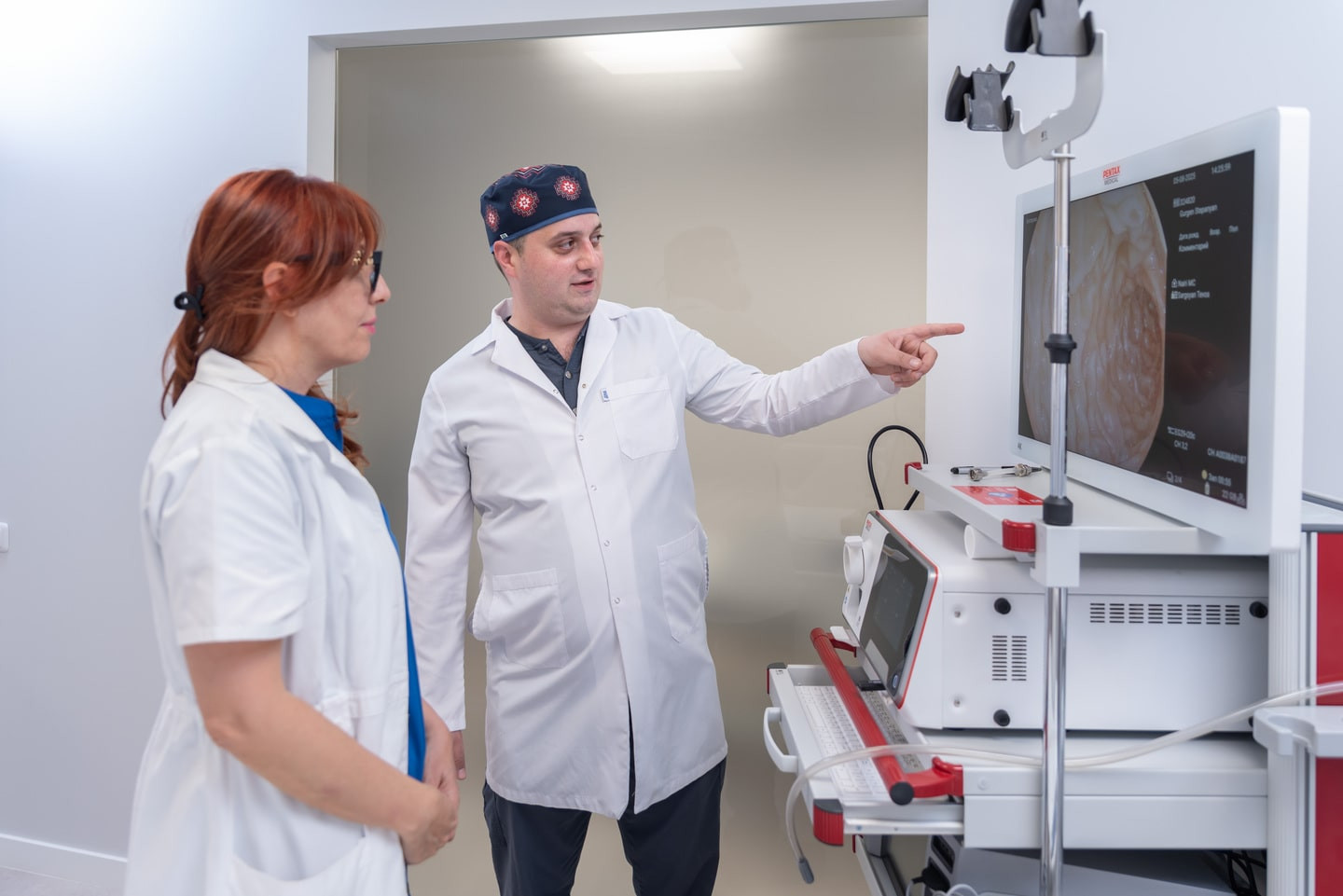
Which parts are examined?
During colonoscopy, the doctor examines:
- the entire large intestine;
- the terminal ileum (ileoscopy) — the final part of the small intestine if needed.
When is colonoscopy indicated?
Colonoscopy is performed for symptoms or as a preventive measure. Common indications include:
- presence of fresh or clotted blood in the stool
- unexplained weight loss
- chronic constipation or diarrhea
- anemia of unclear cause
- abdominal pain, bloating, excessive gas
- family history of intestinal polyps or cancer
- cancer screening for people over 45
How to prepare?
Accurate results depend on bowel cleanliness. Preparation starts 2–3 days in advance and includes:
- a special diet excluding hard-to-digest and fiber-rich foods
- use of laxatives as prescribed by the doctor
How is the procedure done?
Colonoscopy is performed on an outpatient basis in a special room. The patient lies on their left side. The procedure lasts about 20–40 minutes.
Colonoscopy with sedation
At Nairi Medical Center, colonoscopy can be performed under sedation for maximum comfort. The patient feels no pain or discomfort, and the sedation is monitored by an experienced anesthesiologist to ensure complete safety.
What can colonoscopy detect?
- Inflammatory bowel diseases (e.g., Crohn's disease, ulcerative colitis)
- Polyps that may turn into tumors
- Cancer and precancerous conditions
- Sources of intestinal bleeding
- Infectious inflammations, strictures, and mucosal damage
Colonoscopy helps not only to diagnose but also to prevent cancer by removing polyps in time.
Where to have colonoscopy in Yerevan?
At Nairi Medical Center, colonoscopy is performed according to international standards by experienced endoscopists and anesthesiologists using modern equipment, ensuring high accuracy and safety.
We provide:
- personalized care
- experienced doctors
- high-level instrument sterilization and comfortable conditions
To make an appointment, call 89 00 or visit us at 21 Paronyan St.

Frequently Asked Questions
Before a colonoscopy, the bowel must be carefully prepared, as the accuracy of the examination largely depends on how well the intestine is cleansed. Patients are usually given specific dietary and bowel-cleansing instructions in advance, and these should be followed carefully. If the patient regularly takes medication or has any coexisting conditions, the doctor should be informed beforehand.
A colonoscopy usually takes about 20 to 40 minutes. Its duration may vary depending on the quality of bowel preparation, anatomical особенностей, and whether any additional procedures are needed. The overall visit may take longer, as it also includes preparation, discussion with the doctor, and a short observation period afterward.
In most cases, colonoscopy is performed under intravenous anesthesia or sedation, depending on the nature of the examination, the patient’s condition, and the clinical indications. The method of performing the procedure is discussed with the physician in advance.
If the colonoscopy was performed under anesthesia or sedation, the patient remains under medical supervision for some time afterward until fully awake and stable. Weakness, drowsiness, or dizziness may occur on that day, so driving or performing tasks that require concentration is generally not recommended.
Yes, in some cases a colonoscopy can be performed without anesthesia. The most appropriate option is determined by the physician after evaluating the patient’s condition.
Colonoscopy may be associated with discomfort or painful sensations, but their intensity varies from person to person. This depends on the characteristics of the bowel, the quality of preparation, the extent of the examination, and the chosen approach. If the procedure is performed under anesthesia or sedation, the patient does not feel anything.
After the examination, the diet depends on whether only a diagnostic colonoscopy was performed or whether an additional procedure, such as polyp removal or biopsy, was also carried out. In many cases, patients can gradually return to their usual diet, but the final recommendations are given by the doctor based on the intervention performed and the patient’s overall condition.
Yes, in some cases both colonoscopy and gastroscopy can be performed on the same day. This may be advisable when different parts of the digestive system need to be evaluated during a single visit. The possibility of combining the procedures is determined by the doctor based on the indications and the patient’s overall condition.
The frequency of colonoscopy is determined by medical indications. It may be repeated for follow-up, monitoring previously detected polyps, persistent symptoms, or assessment of treatment effectiveness.
Yes, when indicated, a polyp can also be removed during colonoscopy. This makes it possible not only to detect the polyp but also to perform a therapeutic intervention at the same time. The removed tissue is usually sent for histological examination to determine its nature.
Yes, colonoscopy can be performed in patients with diabetes, but special attention should be paid during preparation to diet, medication intake, and blood glucose monitoring. Therefore, the patient should inform the doctor in advance about the condition and any medications being taken so that the preparation plan can be adjusted properly.
If adhesions are present, colonoscopy may in some cases be technically more difficult, but the possibility of performing the examination is assessed individually. The decision depends on previous surgeries, the clinical condition, and the expected risks. The presence of adhesions itself is not a contraindication.
Yes, the presence of hemorrhoidal disease does not prevent colonoscopy from being performed. However, if there is significant pain, bleeding, or an acute flare, the advisability of the examination is determined individually. The doctor evaluates the condition beforehand and decides when and under what conditions the procedure should be performed.
Author:

Updated:
21 October 2025, 20:31Our certificates



List of services
- ▸ Treadmill Test
- ▸ Cardiac Holter Monitoring
- ▸ ECG (Electrocardiography)
- ▸ Cystoscopy
- ▸ Colposcopy
- ▸ Surgery for intervertebral hernia removal
- ▸ Surgical Treatment of Parkinson's Disease
- ▸ Maxillofacial Surgery
- ▸ Tumors of the digestive system
- ▸ Tumors of the nervous system
- ▸ Breast tumors
- ▸ Tumors of the respiratory system
- ▸ Hysteroscopy
- ▸ Bronchoscopy
- ▸ Colonoscopy
- ▸ Գաստրոսկոպիա
- ▸ General Surgery


