

Cystoscopy
Cystoscopy is an endoscopic examination used to assess the inner surfaces of the urethra and urinary bladder. It helps detect inflammatory changes, sources of bleeding, stones, tumours, structural abnormalities, and other pathological conditions.
Cystoscopy may be indicated in cases of painful or impaired urination, blood in the urine, urinary tract infections, suspected bladder pathology, and other urological complaints.
What is Cystoscopy?
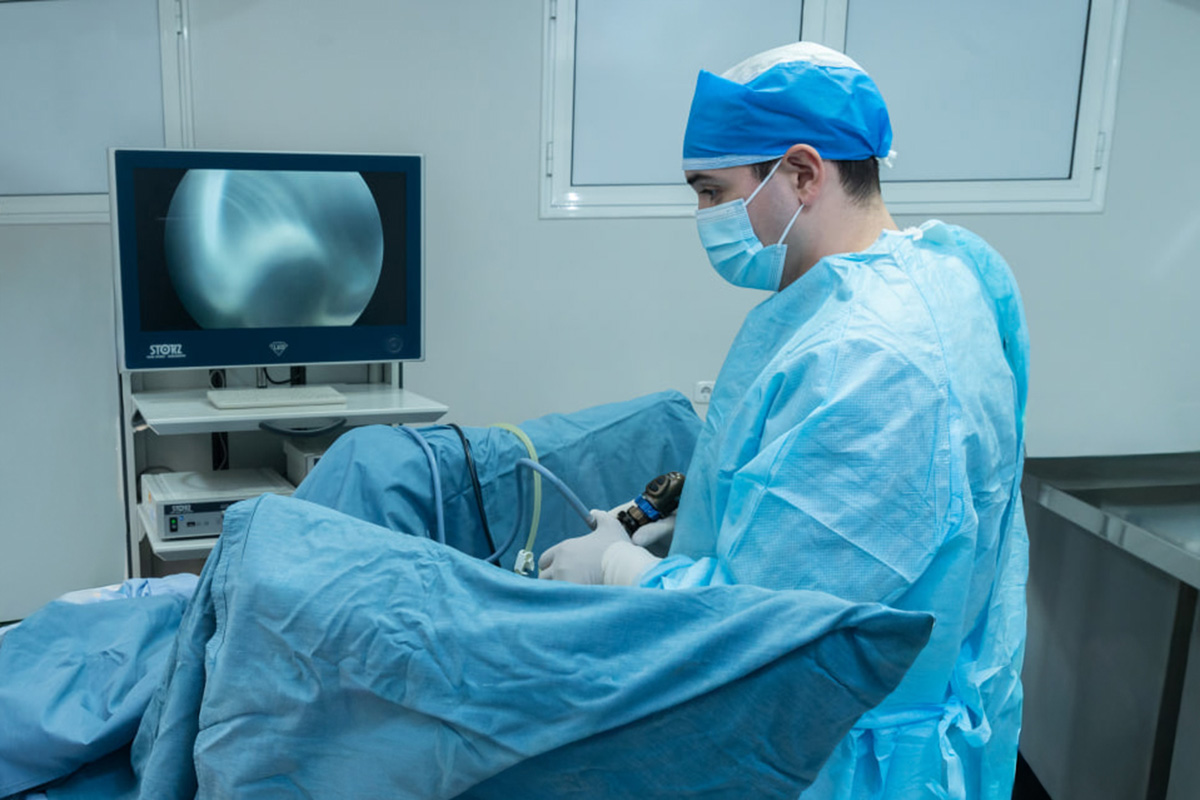
Cystoscopy is a modern endoscopic procedure for examining the urinary bladder and urethra.
It is performed using a thin, flexible optical instrument called a cystoscope, equipped with a light source and a camera, allowing the physician to closely examine the internal surface of the urinary tract and assess its condition.
Cystoscopy is considered the “gold standard” for diagnosing diseases of the bladder and urethra. The method enables early detection of abnormalities and, when necessary, minor therapeutic interventions without open surgery.
Indications
- Presence of blood in the urine (hematuria)
- Recurrent or chronic cystitis
- Urination disorders (pain, frequency, or difficulty)
- Suspected structural abnormalities of the bladder or urethra
- Suspected or follow-up of bladder tumors
- Detection and removal of small bladder stones
- Postoperative evaluation of the bladder
In addition to diagnostic purposes, cystoscopy is often performed for therapeutic reasons — to remove polyps, fragment small stones, or stop minor bleeding.
Preparation for Cystoscopy
To ensure safety and accuracy, preparation includes:
- Urological consultation and medical history review
- Laboratory tests — urinalysis, blood test, and coagulation profile if needed
- Ultrasound of the urinary tract for preliminary evaluation
- Partial filling of the bladder before the procedure (as instructed by the doctor)
- If anesthesia is planned — fasting for 6–8 hours before the procedure
Specific recommendations are provided individually based on the patient’s condition.
How the procedure is performed
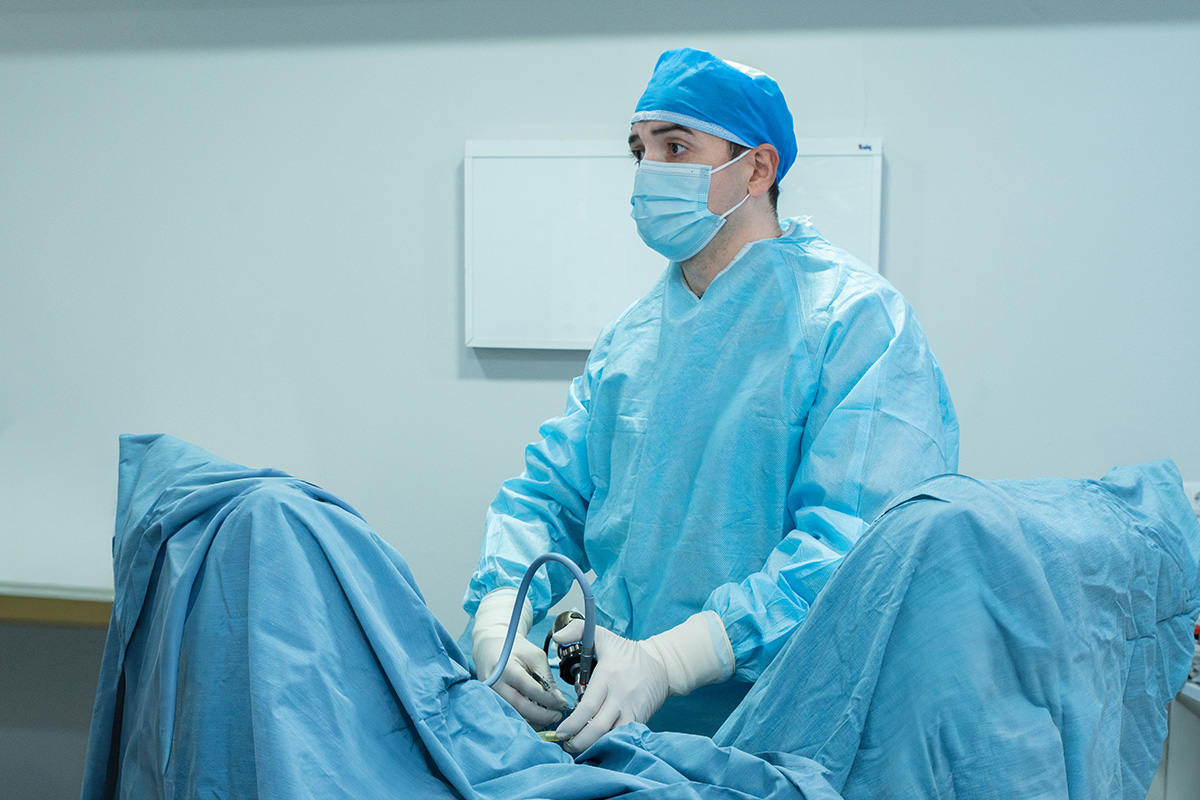
Cystoscopy is carried out under sterile conditions by an experienced urologist.
The procedure usually lasts 10–20 minutes, and longer in case of therapeutic interventions.
Where to perform Cystoscopy in Yerevan
At Nairi Medical Center, cystoscopy is performed according to international standards by qualified urologists.
Our advantages:
- Modern equipment and precise diagnostics
- Safe and personalized approach
- Quick scheduling and comfortable conditions
To book an appointment, call 89 00 or visit Nairi Medical Center, 21 Paronyan Street.
Frequently Asked Questions
Cystoscopy usually takes about 10–20 minutes. The duration may vary depending on the purpose of the examination, the clinical situation, and whether an additional procedure is required. If a biopsy or another intervention is performed, the total time may be longer.
Cystoscopy may cause some discomfort or brief painful sensations. The intensity of these sensations depends on the type of examination, the anaesthesia used, individual sensitivity, and the underlying condition.
Cystoscopy may be performed under local anaesthesia and, in some cases, with sedation or general anaesthesia. The approach is determined individually, taking into account the patient’s condition, the purpose of the examination, and the extent of the planned procedure.
Restrictions after cystoscopy depend on the type of examination and any procedures performed. In many cases, the patient can return to normal activities shortly afterwards, but if a biopsy or another intervention was carried out, the physician may provide additional instructions. The doctor’s recommendations should be followed after the examination.
Ճկուն ցիստոսկոպիան կատարվում է ճկուն սարքի միջոցով, իսկ կոշտ ցիստոսկոպիան՝ կոշտ գործիքով։ Կոշտ ցիստոսկոպը որոշ դեպքերում կարող է ավելի հարմար լինել բուժական կամ առավել ծավալուն միջամտությունների իրականացման համար։ Հետազոտության համապատասխան ձևաչափն ընտրվում է՝ ըստ կլինիկական նպատակի։
During pregnancy, cystoscopy is performed only when there are clear medical indications. The appropriateness of the examination is assessed individually, taking into account the stage of pregnancy, the nature of the symptoms, and the overall clinical condition. The physician makes the decision after weighing the expected benefits and possible risks.
Before cystoscopy, the preparation instructions provided by the physician or medical centre should be followed. Depending on the type of examination, there may be restrictions regarding food, fluids, or certain medicines. If the patient regularly takes medication, has allergies, or has coexisting conditions, the physician should be informed in advance.
Author:
Updated:
31 October 2025, 06:09Our certificates



List of services
- ▸ Treadmill Test
- ▸ ECG (Electrocardiography)
- ▸ Cystoscopy
- ▸ Colposcopy
- ▸ Surgery for intervertebral hernia removal
- ▸ Surgical Treatment of Parkinson's Disease
- ▸ Maxillofacial Surgery
- ▸ Tumors of the digestive system
- ▸ Tumors of the nervous system
- ▸ Breast tumors
- ▸ Tumors of the respiratory system
- ▸ Hysteroscopy
- ▸ Bronchoscopy
- ▸ Colonoscopy
- ▸ Gastroscopy
- ▸ General Surgery


