

Hysteroscopy
Hysteroscopy is a gynecological procedure in which a special optical instrument is used to assess the uterine cavity. It may be performed for diagnostic and, in some cases, therapeutic purposes to evaluate the endometrium, polyps, intrauterine lesions, and other abnormalities.
Hysteroscopy may be indicated in cases of uterine bleeding, menstrual cycle disorders, infertility, or suspected polyps and other intrauterine changes. At Nairi Medical Center, hysteroscopy is performed according to clinical indications.
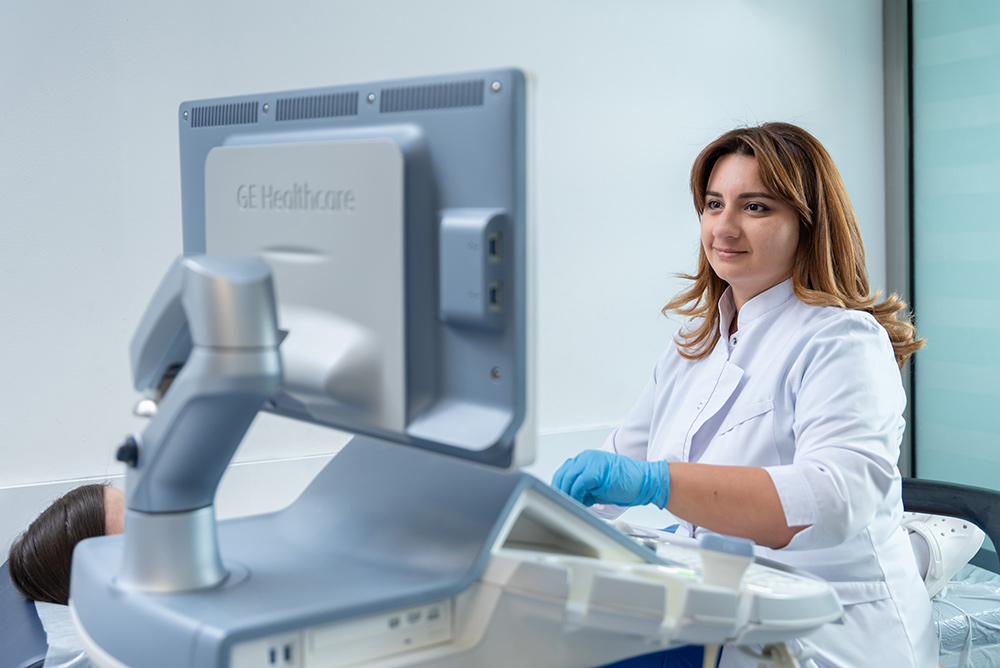
What is Hysteroscopy?
Hysteroscopy is a modern endoscopic procedure for examining the uterine cavity.
It is performed using a thin optical instrument called a hysteroscope, equipped with a light source and a camera. The device is inserted through the vagina and cervix without the need for any abdominal incision.
This technique is considered the “gold standard” for evaluating the uterine cavity, allowing the physician to visualize the endometrium and internal structures with high precision.
Indications
- Suspected uterine polyps or submucous fibroids
- Unexplained uterine bleeding
- Uterine structural anomalies (septate or bicornuate uterus, etc.)
- Reproductive issues and recurrent miscarriages
- Suspected intrauterine adhesions (synechiae)
- Diagnosis of endometrial abnormalities
- Postoperative or post-treatment control
Hysteroscopy is also performed for therapeutic purposes — removal of pathological tissue, adhesions, or foreign bodies (e.g., intrauterine devices).
Preparation for hysteroscopy
Main preparatory steps include:
- Laboratory tests — complete blood count and coagulation profile
- Pelvic ultrasound to evaluate the uterus
- No food or liquids 6–8 hours before the procedure (if anesthesia is planned)
- Pre-procedure consultation and explanation by the physician
How the procedure is performed
Hysteroscopy is performed under sterile conditions by an experienced gynecologist.
There are two main types:
- Diagnostic hysteroscopy – for visual inspection and diagnosis
- Operative hysteroscopy – for surgical intervention (e.g., polyp removal)
It may be performed under local or general anesthesia. The hysteroscope is introduced through the cervix, and the uterine cavity is filled with a special liquid or gas to ensure a clear view.
The duration varies — approximately 10–20 minutes for diagnostic and longer for operative hysteroscopy.
After hysteroscopy
Patients are advised to:
- Avoid heavy physical activity
- Refrain from sexual intercourse
- Take prescribed medication as needed
- Attend a follow-up appointment as recommended
Hysteroscopy for polyp removal
Endometrial polyps are benign growths that can cause bleeding, infertility, or other reproductive disorders.
Hysteroscopic removal is considered the “gold standard” of treatment.
Where to perform hysteroscopy in Yerevan
At Nairi Medical Center, hysteroscopy is performed in accordance with international standards:
- State-of-the-art equipment
- Highly qualified gynecologists
- Individualized approach
To book an appointment, call 89 00 or visit Nairi Medical Center, 21 Paronyan Street.
Frequently Asked Questions
The timing of hysteroscopy depends on the purpose of the examination and the patient’s clinical condition. In many cases, it is best performed after menstrual bleeding has ended, when the uterine cavity can be assessed most clearly. The exact day is determined by the physician based on the characteristics of the cycle and the purpose of the procedure.
The duration of hysteroscopy depends on the type and extent of the procedure. Diagnostic hysteroscopy is usually shorter, but if additional interventions are performed, the procedure may take longer. The total visit may also include preparation and post-procedure observation.
Hysteroscopy may be performed under anesthesia depending on the type and extent of the procedure and the clinical situation. The approach is determined by the physician, taking into account the patient’s condition, coexisting problems, and the purpose of the procedure.
Post-hysteroscopy recommendations depend on the extent of the procedure and the patient’s overall condition. In many cases, normal daily activities can be resumed after a short period, but the physician’s instructions should be followed. If a therapeutic intervention was also performed, recovery may require additional precautions.
Certain restrictions may be recommended for a period after hysteroscopy, depending on the procedure performed. These may relate to physical activity, sexual intercourse, the use of vaginal products, or other activities. Specific instructions are provided by the physician based on the procedure and the course of recovery.
Light bloody or brown discharge may occur for some time after hysteroscopy. Its duration and intensity depend on the extent of the procedure and the body’s individual response. If the discharge becomes heavy, persists for a long time, or is accompanied by other symptoms, medical advice should be sought.
Yes, light bleeding may occur after hysteroscopy. This is often related to the nature of the procedure and may continue for some time. However, if the bleeding is heavy, becomes more intense, or is accompanied by pain, weakness, or fever, the physician should be informed.
Yes, pulling or cramping pain in the lower abdomen may occur after hysteroscopy. It is usually short-lived and related to the uterus’s response to the procedure. If the pain is severe, persistent, or accompanied by other significant symptoms, medical advice should be sought.
The timing of the next menstrual period after hysteroscopy may vary depending on the type and extent of the procedure and the body’s individual characteristics. In some cases, the cycle continues as usual, while in others there may be a slight delay. If the delay is prolonged or other symptoms occur, a physician should be consulted.
Yes, when indicated, a polyp can be removed during hysteroscopy. In this case, the procedure has both diagnostic and therapeutic value. The removed tissue is usually sent for histological examination.
The duration of recovery depends on the type and extent of the procedure. Recovery is usually shorter after diagnostic hysteroscopy, while therapeutic procedures may require longer monitoring. The physician determines when the patient can fully return to normal activities based on her condition.
Hysteroscopy is not required in every case of endometriosis. Its necessity depends on the patient’s symptoms, the clinical picture, and the specific issue that needs clarification. In some situations, it may be used as an additional assessment method, but the physician determines whether the procedure is appropriate.
Author:

Updated:
03 October 2025, 07:48Our certificates



List of services
- ▸ Treadmill Test
- ▸ ECG (Electrocardiography)
- ▸ Cystoscopy
- ▸ Colposcopy
- ▸ Surgery for intervertebral hernia removal
- ▸ Surgical Treatment of Parkinson's Disease
- ▸ Maxillofacial Surgery
- ▸ Tumors of the digestive system
- ▸ Tumors of the nervous system
- ▸ Breast tumors
- ▸ Tumors of the respiratory system
- ▸ Hysteroscopy
- ▸ Bronchoscopy
- ▸ Colonoscopy
- ▸ Gastroscopy
- ▸ General Surgery


